Westwood vs Nearby Suburbs For Move-Up Buyers
June 4, 2026
June 4, 2026
If you are planning a move-up purchase in the western and southern Boston suburbs, one question tends to come up fast: should you stretch for Westwood, pay more for Needham, or look to Dedham or Walpole for more room in the budget? That decision is not just about price. It is also about housing style, commute patterns, and the kind of daily convenience you want. In this guide, you will see how Westwood compares with nearby suburbs so you can weigh value, lifestyle, and long-term fit with more confidence. Let’s dive in.
For move-up buyers, Westwood sits in a very specific place in this market cluster. As of April 2026, median sale prices were about $634,672 in Walpole, $779,597 in Dedham, $1,145,409 in Westwood, and $1,849,045 in Needham. That puts Westwood clearly above Dedham and Walpole, but well below Needham.
In practical terms, that makes Westwood a middle-ground option for buyers who want an upscale suburban setting without jumping all the way into Needham’s pricing tier. If you are moving up from a starter home or a smaller suburban property, Westwood may feel like a more balanced step than Needham while still offering a more elevated price point and housing profile than Dedham or Walpole.
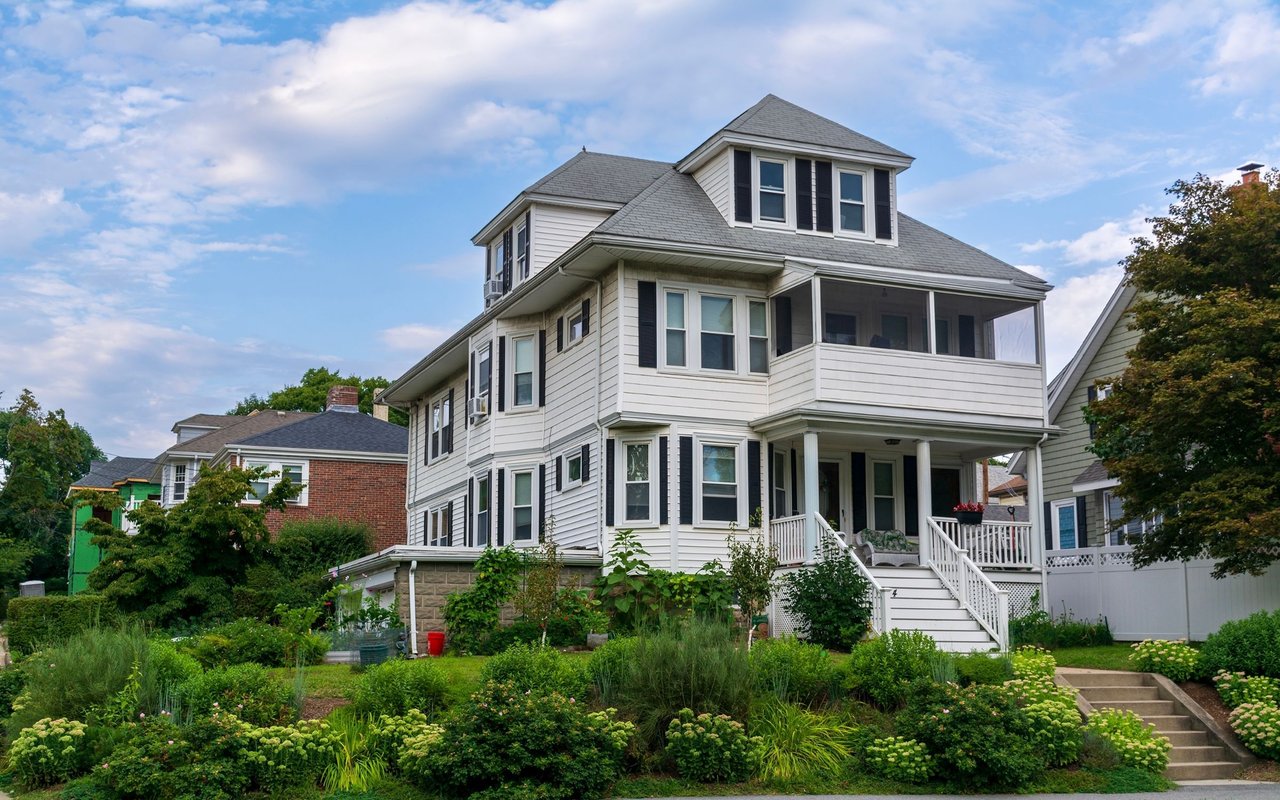
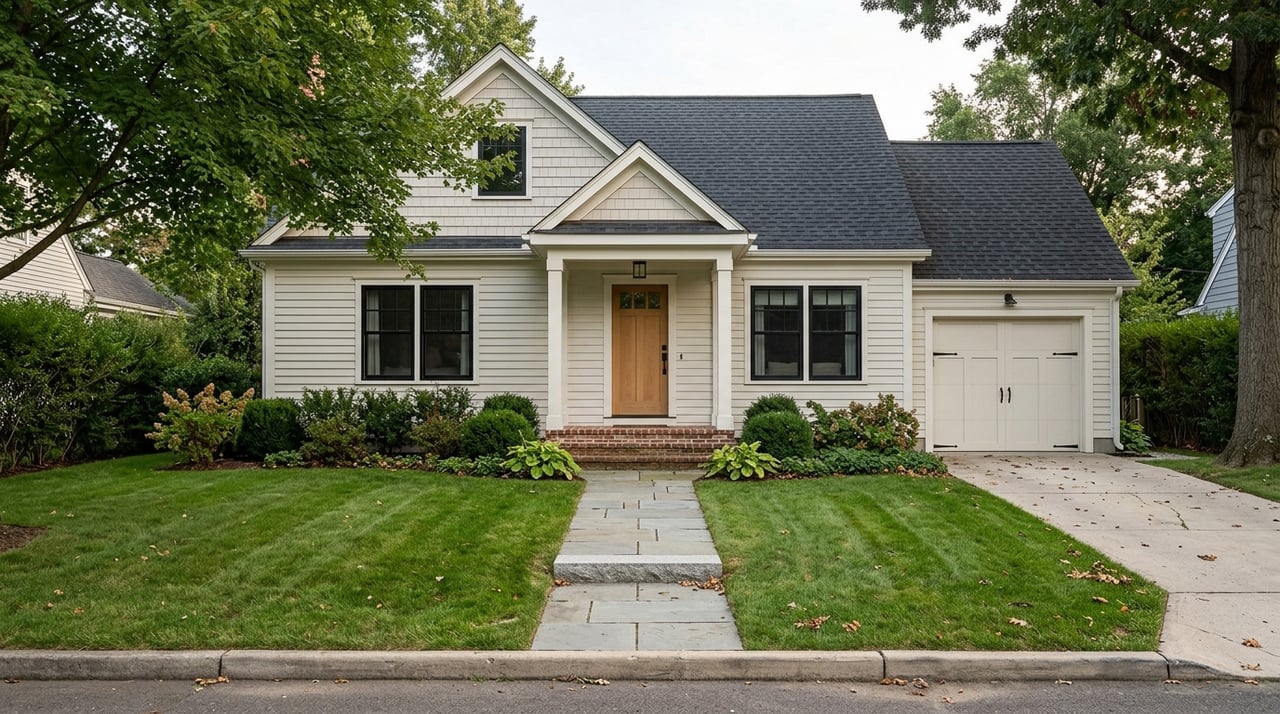
Westwood is described in town planning documents as an established suburb with mostly single-family homes on moderately sized lots. There is limited vacant developable land, along with some multifamily and commercial development. That mix helps preserve a primarily detached-home suburban feel while still supporting newer mixed-use areas.
For many move-up buyers, that matters. You may want a larger home, a more established setting, and a town that still feels rooted in single-family living. Westwood offers that, while also tying key commercial activity to places like University Station, Route 1, High Street, and Islington.
Another major advantage is access. Westwood sits at the junction of I-95/128 and I-93, has two commuter rail lines, and offers MBTA bus service on Routes 1 and 1A. Route 128 station also serves as the regional Amtrak stop for service between Boston, New York, and Washington, which gives Westwood unusually strong transportation flexibility for this group of suburbs.
Needham is the highest-priced town in this comparison by a wide margin. With a median sale price near $1.85 million in April 2026, it represents a different budget category for many buyers. If you are comparing Westwood and Needham, the question is often whether Needham’s premium is worth the extra cost for your goals.
Needham is an older, highly built-out suburb with limited developable land. According to the town’s housing plan, new development tends to come through redevelopment rather than raw land, and teardown activity has produced many larger replacement homes. That creates more of an infill and rebuild environment than you see in Westwood.
Westwood is also established, but its housing stock and land-use pattern may feel somewhat more balanced for buyers who want detached suburban living without stepping into Needham’s higher price tier. Westwood’s commercial anchors and transit-oriented corridors provide convenience, while the broader housing pattern still reads mostly as single-family suburban.
Needham has strong access as well, with four commuter rail stops, bus service via Route 59, and Route 128/95 access. If your routine depends on both Boston access and the Route 128 corridor, Needham remains a compelling option. Still, for buyers focused on price discipline and overall value, Westwood often stands out as the more moderate upscale choice.
Needham leans more village-centered. The town is actively reworking Needham Center and maintains more than 300 acres of parkland and Town Forest, which supports a classic town-center-plus-neighborhoods pattern.
Westwood’s amenity profile feels different. It is anchored by University Station, Route 1 retail, High Street services, two libraries, a senior center, conservation areas, and recreational facilities that include an indoor pool. If you want shopping, commuting infrastructure, and suburban convenience in one package, Westwood has a distinct edge.
Dedham offers a notably different housing and town-center experience. Among these four communities, it has the broadest mix of older housing types and one of the strongest historic civic center identities. Town materials point to historic districts, older homes, scenic roads, civic buildings, mill structures, and a mixed-use Dedham Square with residential apartments over storefronts.
A town housing summary also notes that more than one-quarter of Dedham’s housing stock is multifamily. That makes Dedham the most mixed in character of the group. For some move-up buyers, that variety is a positive because it can mean more entry points, more architectural diversity, and a stronger town-center feel.
Compared with Dedham, Westwood is generally a more uniform single-family suburban experience. If you are looking for a detached-home setting with a more consistently upscale suburban profile, Westwood may align better with that goal.
The tradeoff is price. Dedham’s median sale price of about $779,597 is materially lower than Westwood’s. If your top priority is stretching your budget while staying in a well-connected suburb with a historic center, Dedham may offer more flexibility.
Dedham has commuter rail access through the Franklin Line, with Endicott and Dedham Corporate Center identified in town documents. Its transit-oriented housing focus appears to be concentrated around a few key nodes, rather than spread broadly across town.
Westwood’s transportation network is more extensive. With two commuter rail lines, major highway access, bus service, and the regional Amtrak stop at Route 128, Westwood offers a broader range of commuting options. For buyers with variable schedules or regional travel needs, that broader network can be a meaningful advantage.
Walpole is the most affordable town in this comparison, with a median sale price of about $634,672 in April 2026. For move-up buyers, that often translates into a simpler question: can you get more space or land in Walpole for less money than in Westwood? In many cases, the price gap suggests yes.
Walpole’s master plan describes a housing stock dominated by single-family homes, with newer homes tending to be larger and taller. The town also notes recent multifamily growth around commercial areas, but overall Walpole retains a more traditional suburban profile with a rural character and a stable mix of commercial and industrial land uses.
If Walpole is the value play, Westwood is the access-and-amenities play. Walpole has one active MBTA commuter rail station on the Franklin Line, and its second station, Plimptonville, closed in 2021. That means the rail network is simpler and less redundant than in Westwood.
Westwood’s transportation advantages are much broader, and its retail and service base is also more pronounced. Buyers who want easier highway connections, more transit options, and a stronger mixed-use commercial hub may find Westwood better suited to daily life, even at a higher price point.
Walpole is a good fit if you want a quieter, more traditional suburban environment. The town common, library, recreation fields, and recurring events like Main Street Live support that identity.
Westwood feels somewhat more strategic in its layout and amenities. It still delivers a detached-home suburban feel, but with more built-in access to shopping, transportation, and regional connections. For many move-up buyers, that combination is exactly what justifies the higher price.
If you are deciding among these towns, it helps to think in terms of tradeoffs rather than a single winner. Each suburb serves a different move-up strategy based on the current price pattern, housing stock, and access profile.
Here is a simple way to frame it:
For many move-up buyers, the hardest comparison is not Westwood versus Walpole or Westwood versus Needham. It is whether Westwood represents the best overall compromise. Based on the current market snapshot, that is where Westwood often stands out.
It gives you a price point that is firmly upscale but not at Needham’s level. It offers stronger transportation options than Dedham or Walpole. It also delivers a suburban housing pattern centered largely on single-family homes, which is often exactly what move-up buyers are seeking when they leave a smaller home or denser setting.
That does not make Westwood the right answer for every buyer. It does mean Westwood is often the town that best balances access, amenity base, and single-family suburban feel within this local group.
If you are weighing Westwood against nearby suburbs, the smartest next step is to compare your budget, commute pattern, and space goals against the actual inventory available in each town. For tailored guidance on Westwood and the surrounding MetroWest market, connect with Theresa David for a free consultation.
Contact Theresa today to learn more about her unique approach to real estate and how she can help you get the results you deserve.