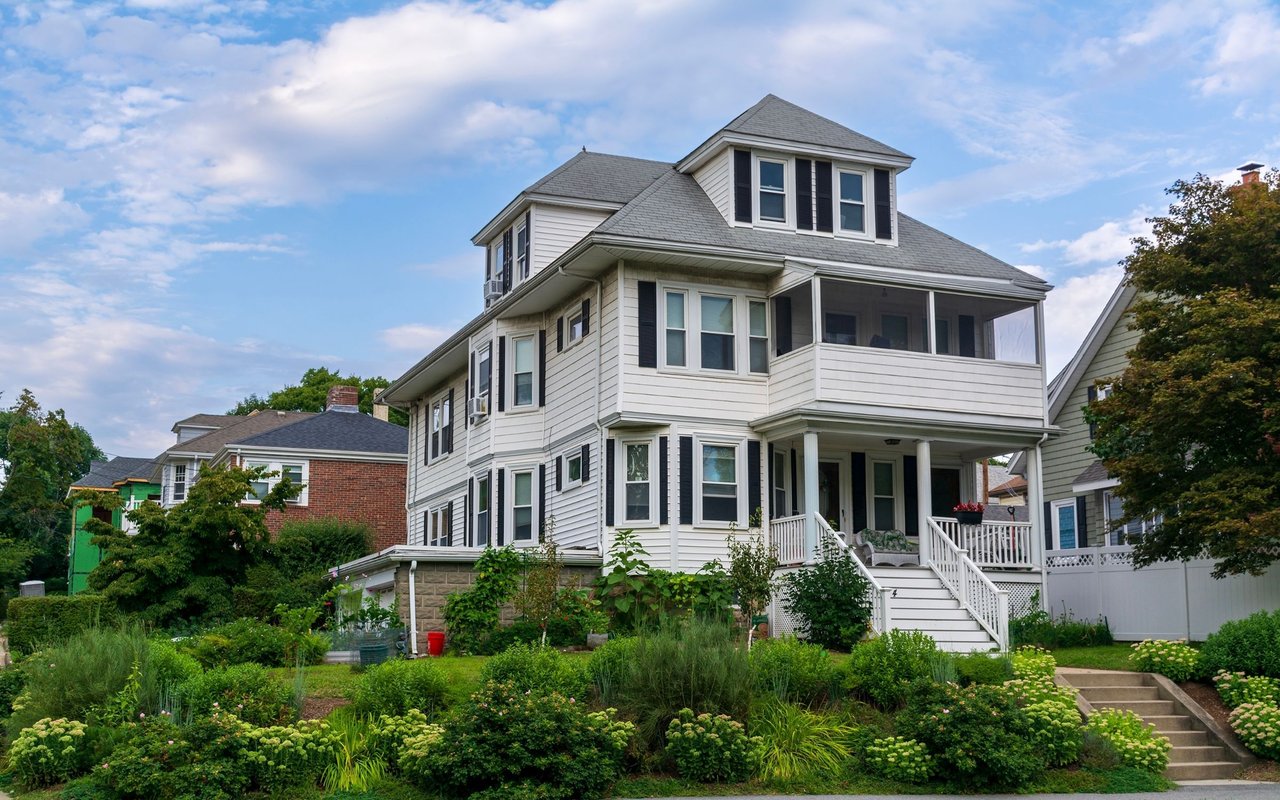
Corporate Relocation in Westwood MA: Plan Your Move Well
June 25, 2026
June 25, 2026
If your job is bringing you to Greater Boston, Westwood can look like the ideal landing spot on paper. It offers strong regional access, a full set of local amenities, and a polished suburban feel, but it also comes with a competitive housing market and a relocation process that rewards early planning. If you want your move to feel organized instead of rushed, this guide will help you think through timing, commute choices, housing strategy, and the first practical steps after you arrive. Let’s dive in.
Westwood sits about 12 miles southwest of Boston at the junction of Route 95/128 and I-93. The town also has two commuter rail lines and MBTA bus service on Routes 1 and 1A, which gives you more than one way to think about your daily routine.
That flexibility matters when you are relocating for work. Your ideal home search is not just about finding the right house. It is also about matching your location to how you actually plan to commute, travel, and settle into a new area.
Westwood also offers a broad local amenity base. According to the town, residents have access to four elementary schools, a middle school, a high school, two libraries, a senior center, recreation areas, playgrounds, ball fields, an indoor pool facility, and more than 200 businesses.
For many corporate transferees, that mix helps Westwood function as more than a short-term stop. It can work as a practical home base from the first week, while still supporting a longer-term move if you decide to put down roots.
Before you schedule movers or book a house-hunting trip, it helps to understand the market you are entering. Westwood remains a premium housing market, and current pricing and inventory suggest that buyers need to be prepared.
In March 2026, Redfin reported a median sale price of about $1.2 million, up 3.8% year over year. Realtor.com reported a median listing price of $1.32 million, with 29 homes for sale, a median of 22 days on market, and a 102% sale-to-list ratio.
Those figures measure different things, so they are not directly comparable. Still, they point in the same direction: Westwood is a tight, expensive market where preparation matters.
If you are relocating on a compressed timeline, this market can feel especially demanding. You may need to make decisions quickly, narrow your priorities early, and understand where flexibility exists before the search begins.
A competitive market changes how you plan your move. It can affect your home-search timeline, your temporary housing needs, and even how your corporate benefits are used.
In practical terms, you will want to define your must-haves before touring homes. Commute needs, preferred housing style, lot size, and proximity to rail or highway access often matter more than broad assumptions about the town as a whole.
For relocating executives and families, focused preparation usually leads to better decisions. It is easier to act with confidence when you already know your price range, timing constraints, and non-negotiables.
One of the biggest relocation mistakes is treating housing as the first and only step. In reality, the smoothest moves usually start with your benefits package, then move into a targeted search, and finally address any gap between arrival and closing.
A practical planning sequence is:
This kind of sequence is especially useful in Westwood because available inventory may not line up perfectly with your work start date. A little planning up front can reduce a lot of pressure later.
For most employees, employer-paid moving expense reimbursements are taxable. Current IRS guidance says that qualified moving expense reimbursements are permanently excluded only for active-duty Armed Forces members on qualifying PCS moves and certain intelligence-community moves.
That means you should ask your employer early whether the relocation package includes a gross-up, tax support, or another way to offset the tax impact. This is an important detail, especially if your move includes multiple reimbursable costs.
If your company offers services such as house-hunting travel, temporary quarters, transportation and temporary storage of household goods, or home-finding assistance, those benefits can shape your housing strategy. Knowing what is covered helps you plan realistically.
A short, organized home-search trip is often more effective than a long, open-ended visit. Federal relocation guidance allows for house-hunting travel and notes that such a trip should be no longer than necessary and not exceed 10 calendar days.
For Westwood, a focused trip works best when built around your actual routine. That means testing likely drive times, reviewing rail access, and narrowing home options based on how you expect to live day to day.
If you are deciding between station access, highway convenience, and larger home options, seeing those tradeoffs in person can be much more useful than relying on map distance alone.
Westwood’s regional access is one of its biggest strengths, but not every location within town will feel the same during a workweek. The right fit depends on where your office is, how often you go in, and whether you prefer to drive or use rail.
The town highlights its location at the junction of Route 95/128 and I-93, along with two commuter rail lines and MBTA bus service. That gives you choices, but it also means your search should be highly specific.
Route 128/Westwood is a major rail node. Amtrak lists the station in Westwood and shows Acela service there, and local transportation materials identify Route 128 as a key corridor station serving the Boston area.
If your work involves regular travel, that station access can be a meaningful advantage. It can support not only Boston-bound commuting, but also trips beyond the city without adding another major leg to your day.
University Station adds to that convenience. The town describes it as a 2.3-million-square-foot retail, office, and residential district near the Route 128 train station and adjacent to the main highway network.
For some buyers, that clustering of errands, office access, and rail access can make daily life simpler. For others, a quieter residential setting with planned drive access may be the better fit.
Driving in and around Westwood can be convenient, but timing matters. Westwood’s comprehensive plan notes congestion on the southwest segment of Route 128 and on High Street.
That does not make driving impractical. It simply means your relocation search should account for likely peak-hour conditions instead of assuming that a short map distance equals an easy commute.
If possible, test likely routes during the times you would actually travel. That small step can make a big difference in choosing the right area and avoiding surprises after you move in.
Out-of-state movers often focus on housing and forget the early administrative details. In Massachusetts, a few deadlines are worth putting on your calendar before you arrive.
The RMV says you must register your vehicle in Massachusetts as soon as you become a resident. You must also obtain a vehicle inspection within 7 days of registration and report address changes to the RMV within 30 days.
These tasks can sneak up on you if your household goods are delayed or you are living in temporary housing while waiting to close. Keeping them in view from the start can help your first few weeks feel more manageable.
Relocation is not just about getting the keys. It is also about becoming operational quickly, especially if you are starting a new role, managing a family transition, or both.
Westwood offers several useful resources that can help you get oriented. The town runs ALERT Westwood through Smart911 for emergency and non-emergency alerts by phone, email, or text, and it also publishes the Westwood Wire with updates on town services, meetings, projects, and events.
Those tools can help you get a feel for what is happening locally without spending weeks piecing things together on your own. They are simple but valuable first steps after arrival.
The Westwood Public Library can be a practical early resource during a move. The Main Library is on High Street and the Islington Branch is on Washington Street, and the library offers public computers, Wi-Fi, study rooms, and mobile hotspots.
That kind of flexibility can be helpful if you are between service setups, working remotely during the transition, or simply trying to stay organized during your first few weeks. Small supports like these often make relocation less stressful.
Westwood also offers online bill payment for real estate, personal property, sewer, and excise bills. The Community & Economic Development department handles building, planning, health, zoning, conservation, licensing, and housing, and the Recreation Office and Pool are located at the Westwood High School complex.
A successful relocation to Westwood is rarely about moving fast for the sake of speed. It is about making clear decisions in the right order, understanding the local market, and matching your housing choice to the way you actually live and work.
In a town where housing is premium and inventory can be tight, local guidance can save time and reduce uncertainty. If you are planning a corporate move to Westwood and want a disciplined, high-touch approach to your search, Theresa David can help you evaluate timing, commute tradeoffs, and the opportunities that best fit your goals.




Contact Theresa today to learn more about her unique approach to real estate and how she can help you get the results you deserve.