Architectural Styles You’ll See In Westwood Homes
May 28, 2026
May 28, 2026
If you tour enough homes in Westwood, one thing becomes clear fast: no single architectural style defines the town. You may see a classic-looking Colonial on one street, a compact Cape nearby, and a newer custom home just a few doors down. That mix can feel confusing at first, especially if you are trying to connect a home’s look with its age, layout, and long-term fit. This guide will help you spot the styles you are most likely to see in Westwood and understand what each one often means for daily living. Let’s dive in.
Westwood is an established residential suburb in Norfolk County, about 12 miles southwest of Boston. Town planning documents show that single-family homes make up the large majority of the housing stock, with 78.4 percent of units classified as single-family in the town’s 2020 comprehensive plan.
Westwood also has housing from several different eras. The town reports that most housing units were built before 1940, with another major production wave in the mid-20th century. More recently, new construction has often come through teardown replacements, which means older homes are removed and newer single-family homes are built on the same lots.
That history helps explain why Westwood does not read as a one-style town. Instead, you are more likely to see a practical mix of Colonial Revival and neo-Colonial homes, Capes, contemporary houses, and newer custom builds that borrow from several styles at once.
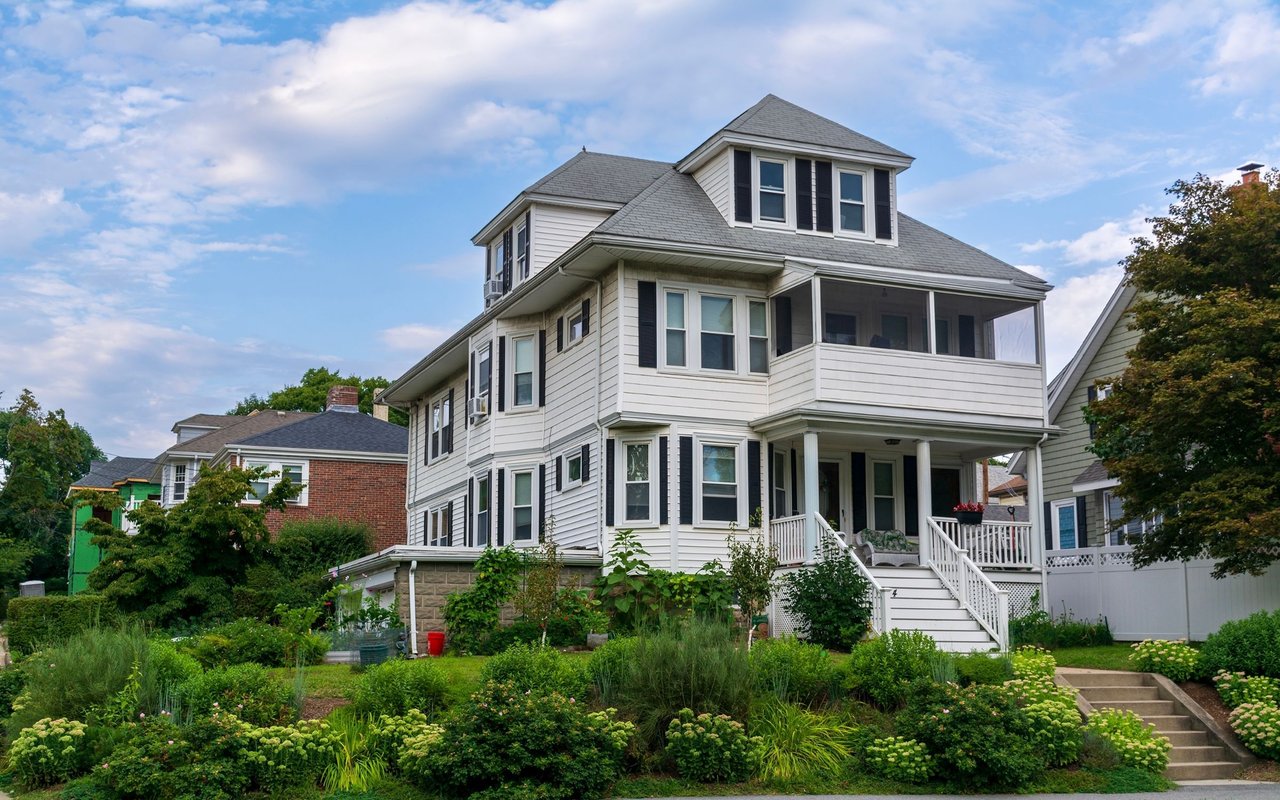
When you see a home labeled “Colonial” in Westwood, think of that first as a style clue, not a precise age marker. Because Westwood was incorporated in 1897 and much of its housing came later, many homes described as Colonial are more likely Colonial Revival or later neo-Colonial interpretations rather than true colonial-era houses.
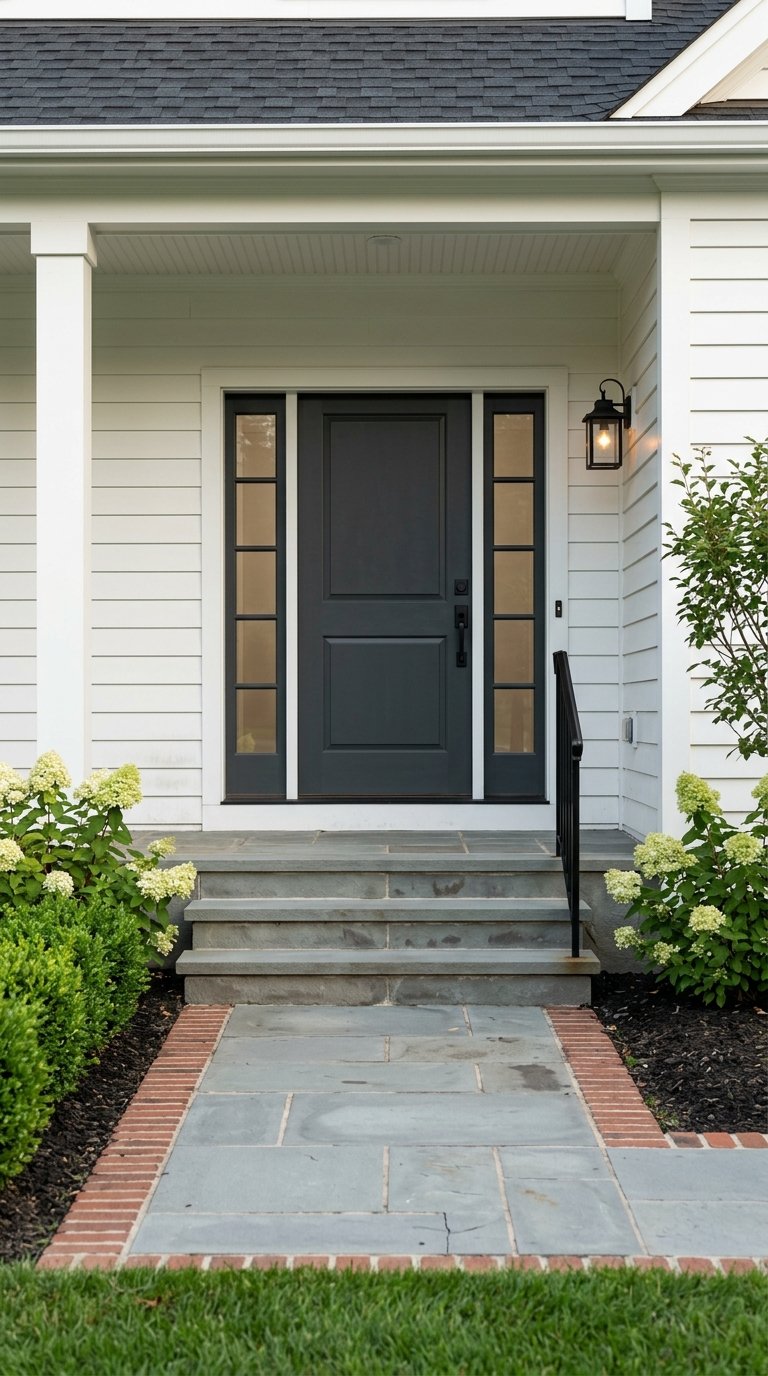
Colonial Revival homes are known for symmetry and balance. Common visual features include side-gabled or hipped roofs, centered front entries, columns or pilasters, and details like pedimented doorways, fanlights, or Palladian-style windows.
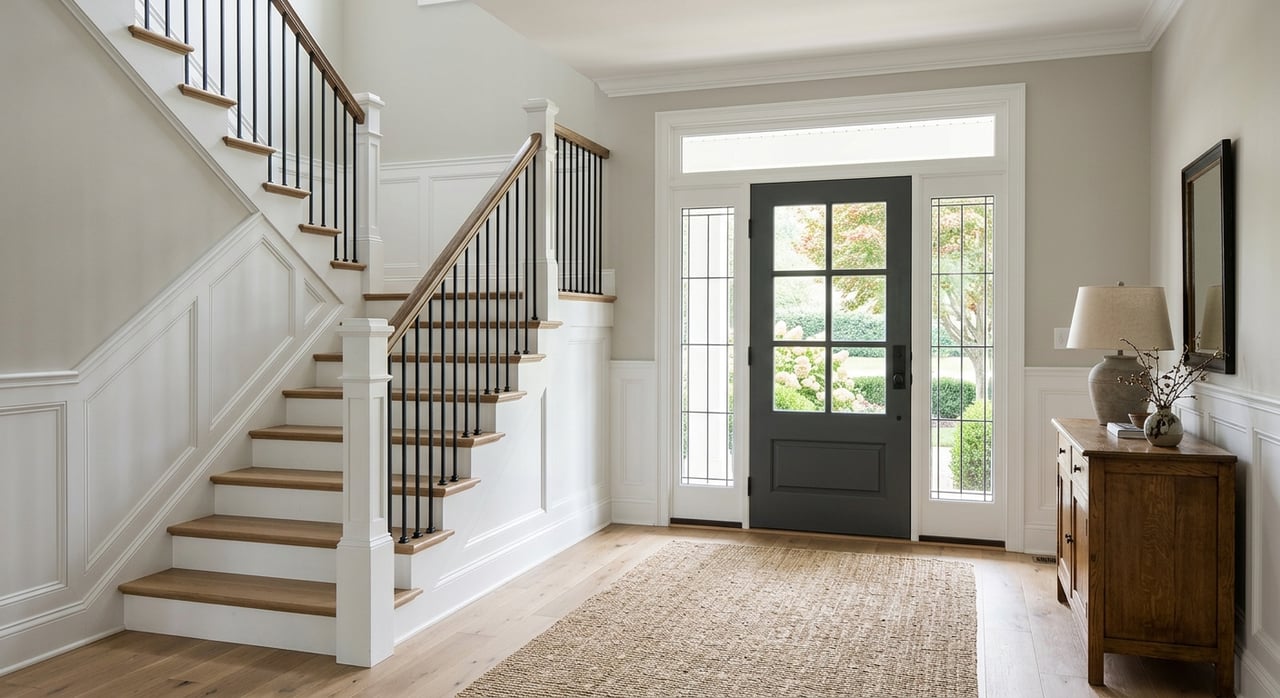
In practical terms, these homes often feel more formal inside than newer suburban builds. You may find a centered stair hall, rooms that sit in a balanced arrangement on either side of the entry, and a clearer separation between main-level living spaces and upstairs bedroom areas.
If you like classic curb appeal, Colonials often deliver that right away. The exterior usually feels orderly and familiar, and the floor plan tends to have a strong sense of structure.
That said, “formal” does not always mean outdated. Some Westwood Colonials have been updated over time, while newer neo-Colonial homes may keep the traditional exterior look but include larger kitchens, more open rear living spaces, and modern finishes inside.
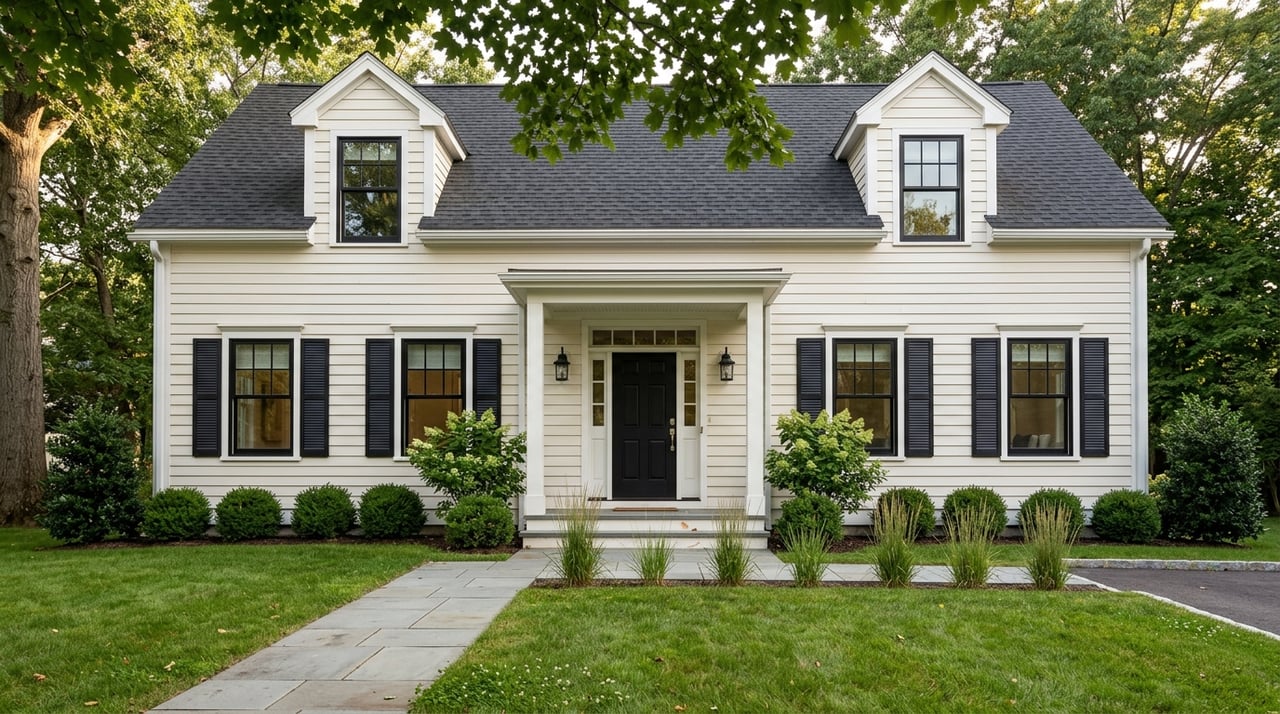
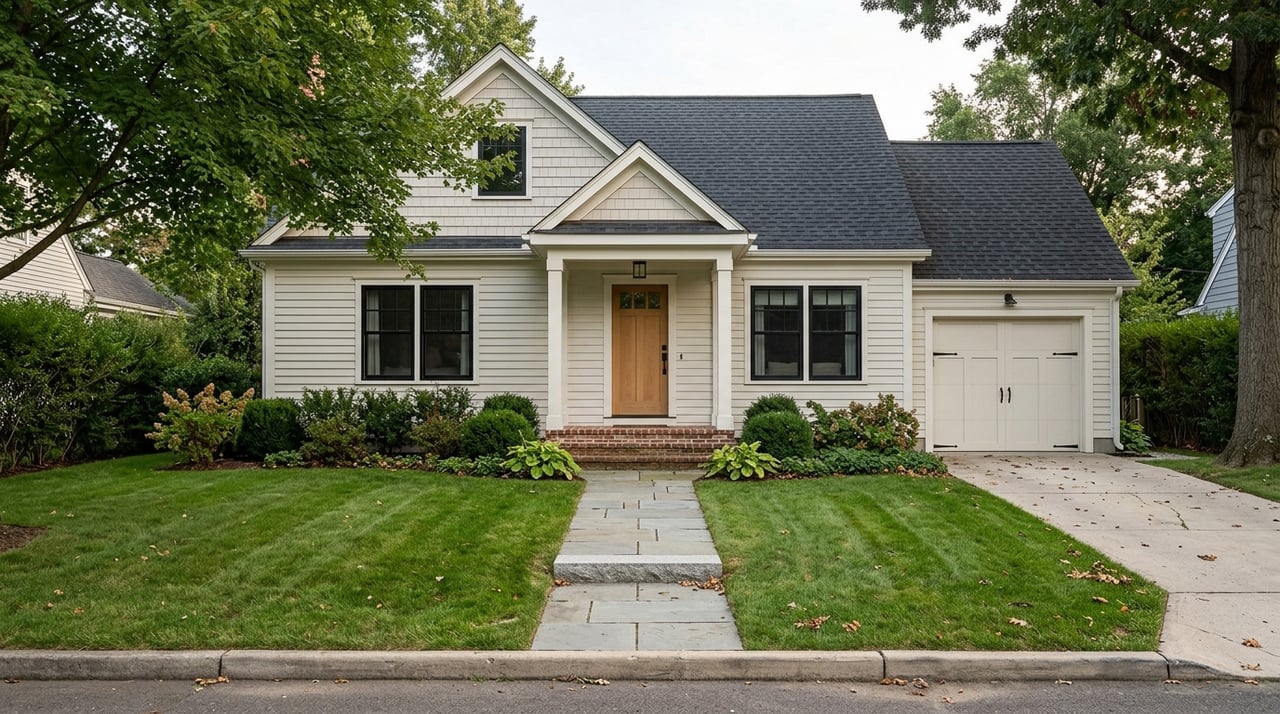
Cape Cod homes are another style you are likely to see in Westwood, especially because they align well with the town’s mid-20th-century growth period. The Cape is one of New England’s most recognizable house forms, and in Westwood it often fits naturally into the broader suburban streetscape.
Cape Cod houses are usually compact one- to one-and-a-half-story homes with pitched roofs, simple shapes, and chimneys that are often central or placed at the end. Compared with Colonial Revival homes, they tend to be less decorative and more straightforward in their exterior design.
Inside, a Cape often feels efficient and easy to understand. The footprint is typically smaller, room flow is practical, and bedrooms may be tucked under the roofline on a second half-story.
For many buyers, the appeal of a Cape is its manageability. The style often offers a comfortable amount of space without the scale or complexity of a larger custom home.
Capes can also be a good reminder that style and function are closely connected. If you prefer a home with simpler massing, a traditional New England look, and a more compact layout, this style is worth paying attention to when touring Westwood properties.
Contemporary and modern-influenced homes show up in Westwood too, though usually in a less predictable way. Unlike Colonials or Capes, these homes are not typically part of a repeated older neighborhood pattern. They are more often newer builds, substantial renovations, or individualized projects.
Modern architecture is often described as long and low in form, with large windows, cleaner lines, and less ornament. In residential settings, that can translate into simpler exteriors, more glass, and a stronger focus on light and openness.
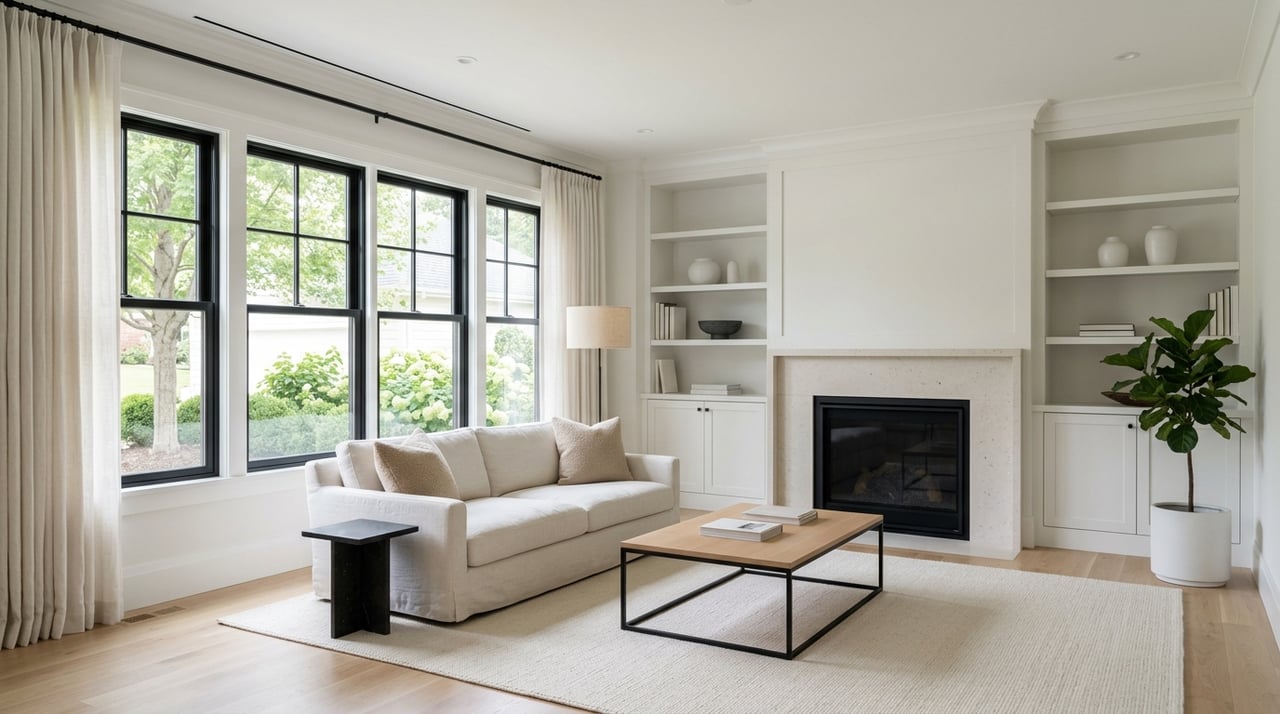
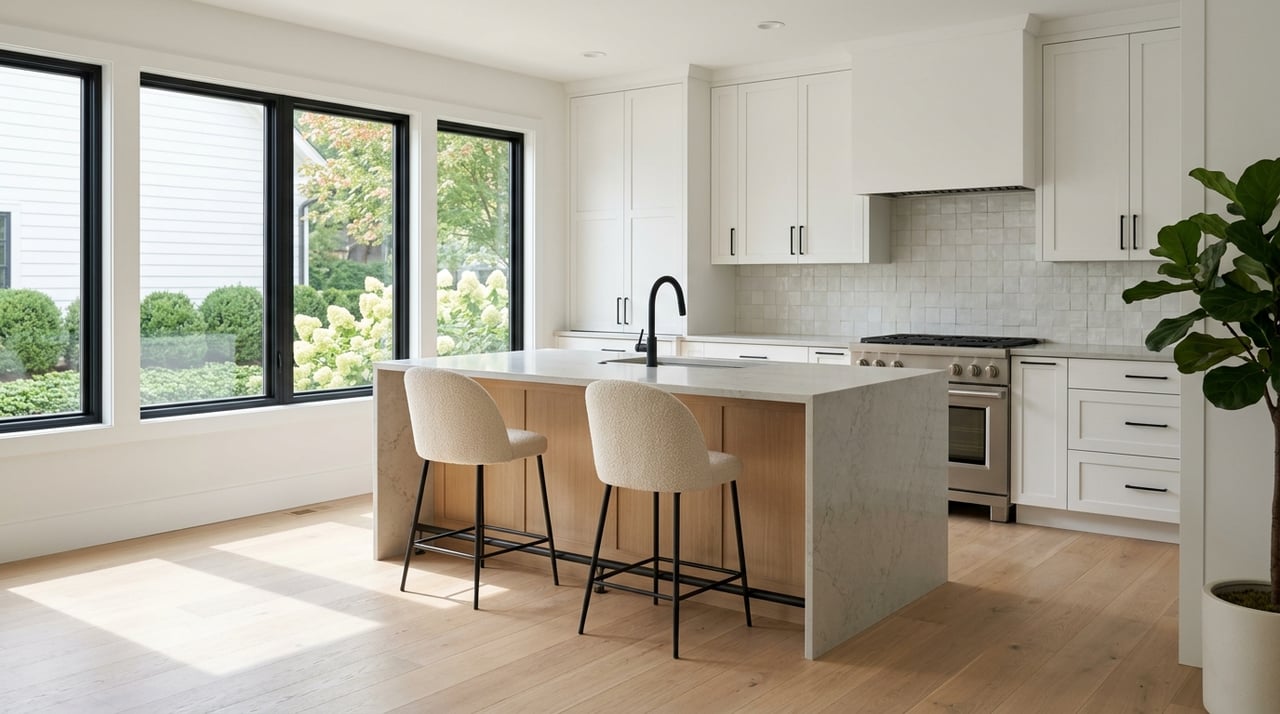
Inside, contemporary homes often feel more flexible than traditional floor plans. You may notice broader sightlines, less rigid room separation, and a layout that feels designed around current living patterns rather than older formal conventions.
If a contemporary home looks very different from neighboring properties, that is not unusual in Westwood. The town’s recent construction and replacement-build pattern helps explain why some homes feel much newer or more individualized than the surrounding housing stock.
For buyers who prioritize natural light, cleaner design language, and a less decorative exterior, contemporary homes can stand out in a strong way. They are often the style that feels least tied to a specific historical formula.
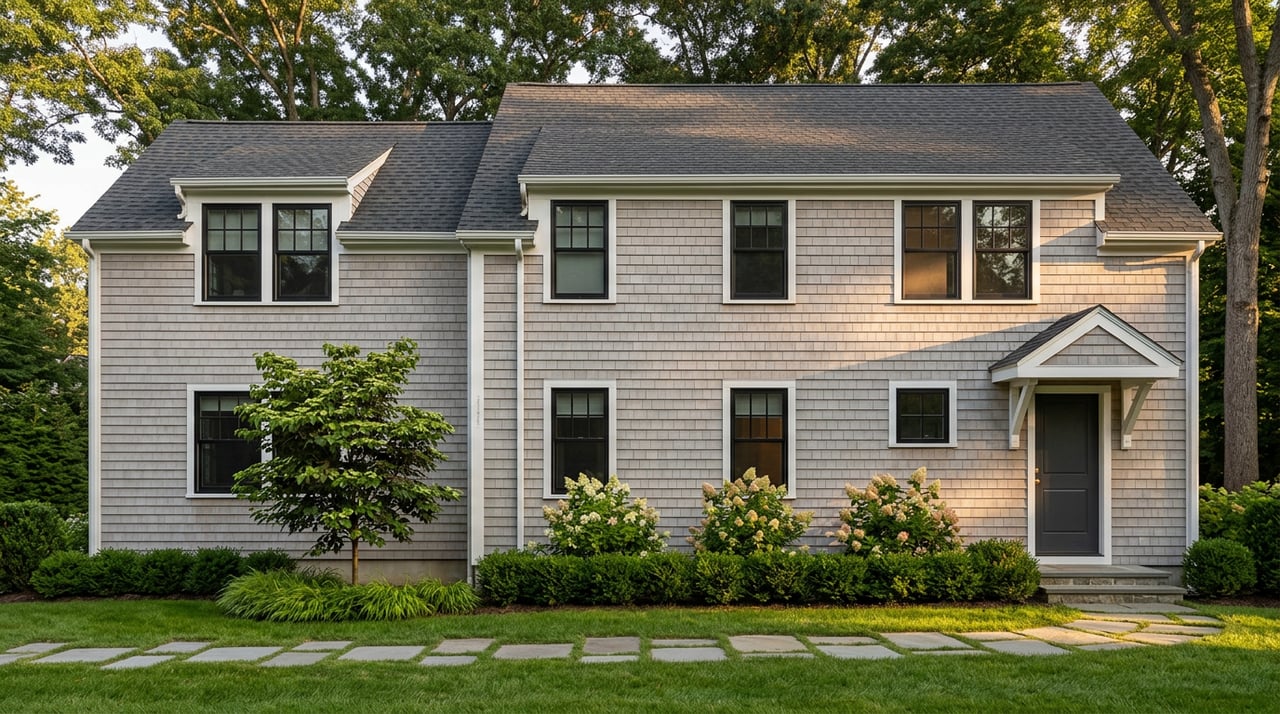
One of the most important parts of Westwood’s current housing story is the number of teardown replacements and new single-family builds. The town reported that more than half of single-family permits from 2007 to 2018 were teardown replacements. Its 2024 and 2025 executive summary continued that pattern, noting 69 single-family homes demolished and replaced and 84 new single-family homes constructed between January 1, 2019 and November 20, 2024.
If you have ever wondered why one house on a street looks dramatically newer or larger than the rest, this is usually the reason. In Westwood, newer homes often replace older ones on the same lot, which means they may reflect current design preferences rather than the original rhythm of the neighborhood.
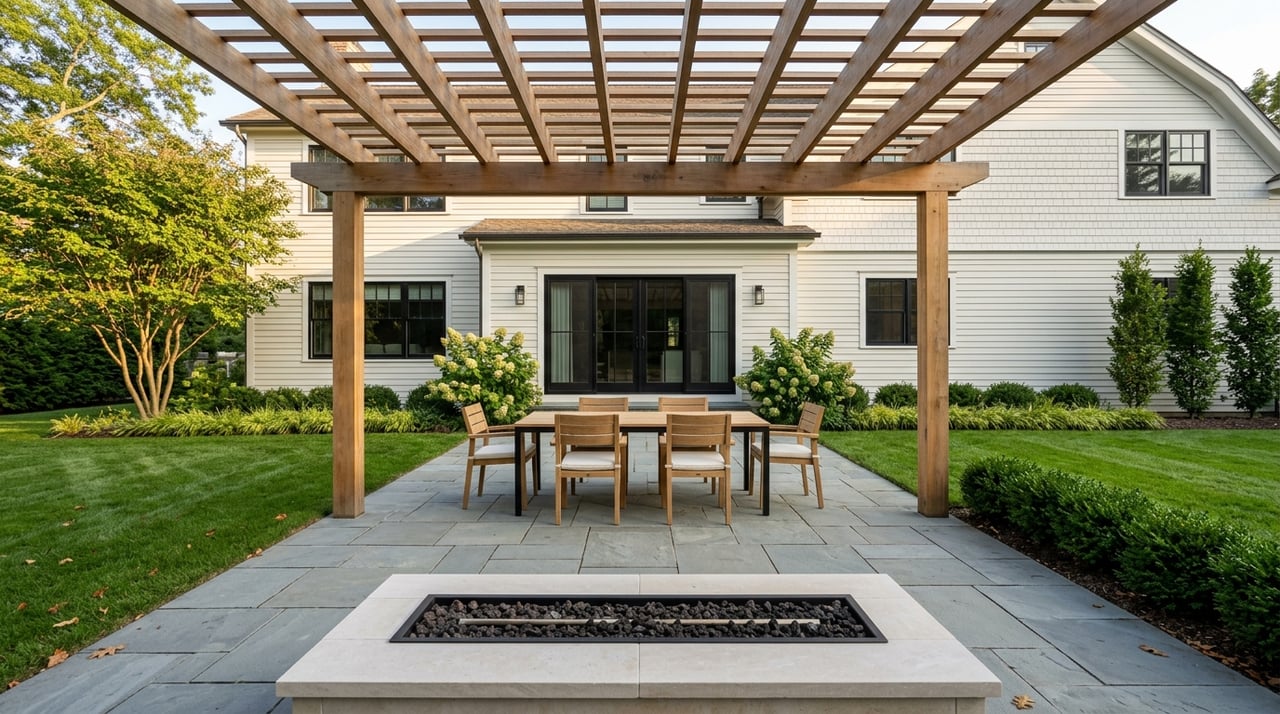
That does not always place them in one neat architectural category. A newer custom build may show Colonial-inspired symmetry on the outside, but inside it may have a more open kitchen-family room layout, larger primary suite, and modern finish package.
Newer custom homes are often the most variable option in Westwood. They can offer more square footage, more individualized floor plans, and newer systems than older homes.
They also require a different lens when you assess style. Rather than asking only, “What style is this?” it can be more useful to ask, “What design language does it borrow, and how does the layout actually live?”
This is one of the biggest points buyers should keep in mind. In Westwood, the style label on a listing does not always tell you exactly when the house was built.
A home described as Colonial may be a Colonial Revival house from a later period or a much newer neo-Colonial build. A newer custom home may also borrow traditional exterior cues even though its construction is recent. That is why it helps to separate visual style from actual age.
When you tour homes, pay attention to both. The exterior tells you something about design vocabulary, while the construction era often tells you more about layout, systems, and how the home may compare with others in the market.
In Westwood, architectural style often gives you clues about how a house will feel once you step inside. That can save you time if you already know what kind of flow fits your lifestyle.
These are not hard rules, but they are useful patterns. In a town with a layered housing history like Westwood, those patterns can help you interpret what you are seeing beyond the listing photos.
If you are comparing homes in Westwood, it helps to look past the style label and focus on visual clues and layout cues. That gives you a clearer read on whether a home fits your needs.
Here are a few smart things to notice during a showing:
These observations can help you interpret what the home really is, rather than relying only on the listing description.
Architectural style is not just about curb appeal. It shapes how a home lives day to day, how rooms connect, and what kind of updates may already be built in.
In Westwood, this matters because the town’s housing stock spans older New England forms and newer infill construction. Two homes with similar square footage can feel completely different depending on whether they are a Cape, a Colonial Revival, or a newer custom build.
If you are buying in Westwood, understanding those differences can help you narrow your search faster and ask better questions as you tour properties. And if you are selling, it can help position your home more accurately by focusing on the style features buyers actually respond to.
Whether you are buying, selling, or simply trying to make sense of Westwood’s housing mix, local context matters. For tailored guidance on how architectural style, layout, and construction era affect value and market appeal, connect with Theresa David.
Contact Theresa today to learn more about her unique approach to real estate and how she can help you get the results you deserve.