How to Sell a Luxury Home in Westwood With Confidence
June 18, 2026
June 18, 2026
Selling a luxury home in Westwood is rarely about simply putting a sign in the yard and waiting for offers. In a market where inventory is limited but buyers still have choices, the details matter. If you want to protect your price, attract serious buyers, and move through the process with fewer surprises, a clear plan makes all the difference. Let’s dive in.
Luxury pricing in Westwood should be based on comparable properties, not broad town averages alone. Recent market data showed 29 homes for sale, a median listing price of $1.3245 million, a median 22 days on market, and a sale-to-list ratio of 102% in a balanced market. That combination suggests demand is healthy, but buyers are still selective.
For a higher-end home, pricing too aggressively can cause the listing to sit while newer options capture attention. A disciplined valuation should look closely at recent comparable sales, current competition, condition, lot characteristics, and the features that matter most to likely buyers. This is especially important when your property sits above the median price point.
It also helps to understand the difference between assessed value and market value. Westwood’s FY26 residential tax rate is $12.87 per $1,000 of assessed value, and the town notes that assessments are certified to the state every five years and adjusted between certifications based on market conditions. In other words, your tax assessment may be useful background, but it is not the same as what a buyer will pay in today’s market.
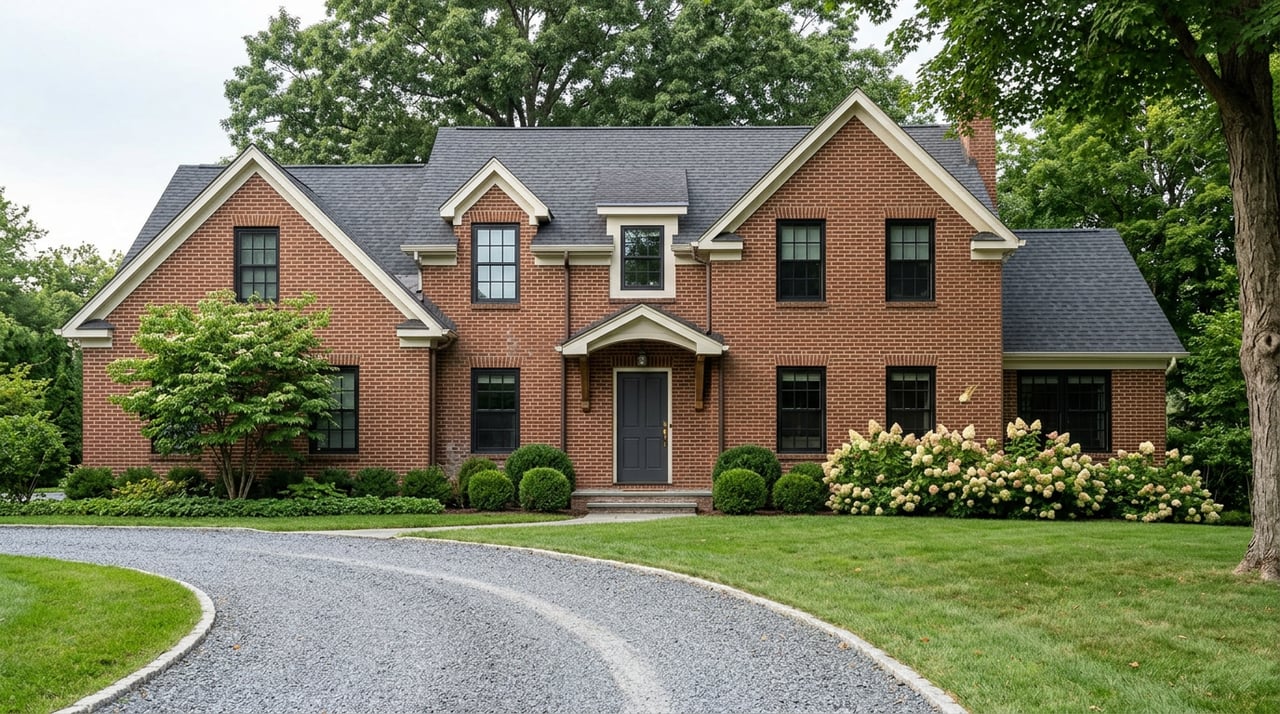
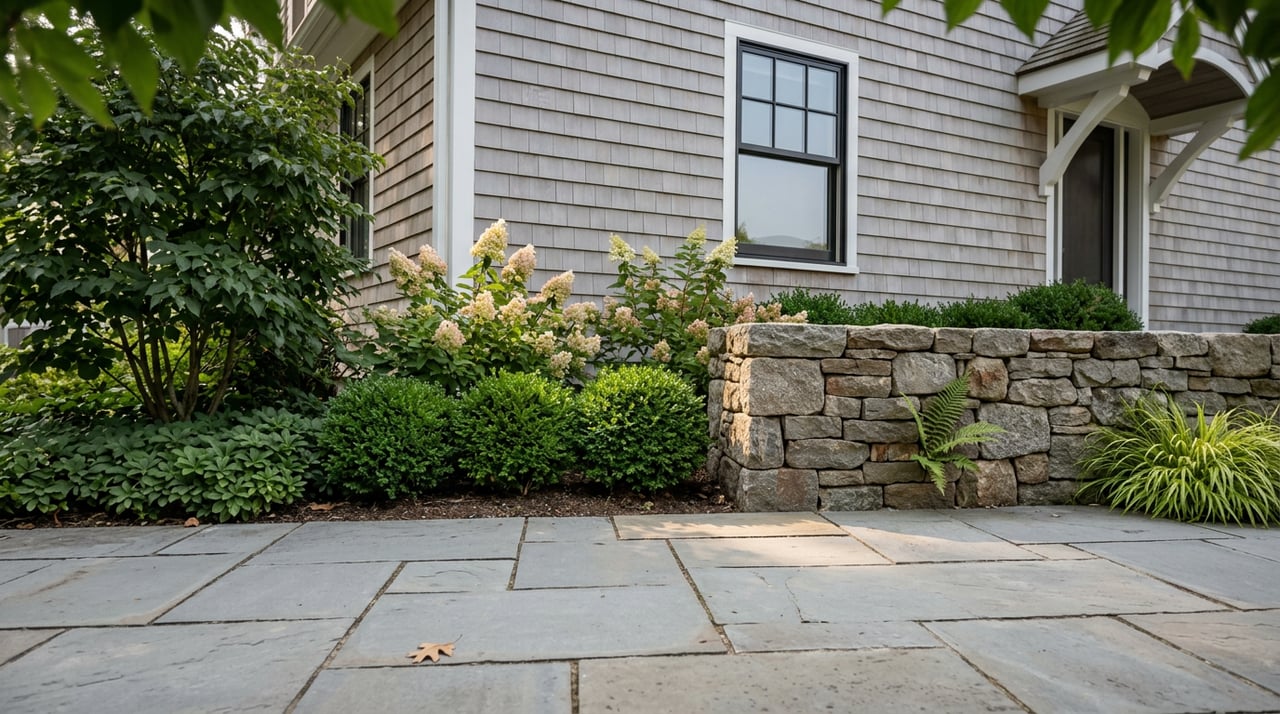
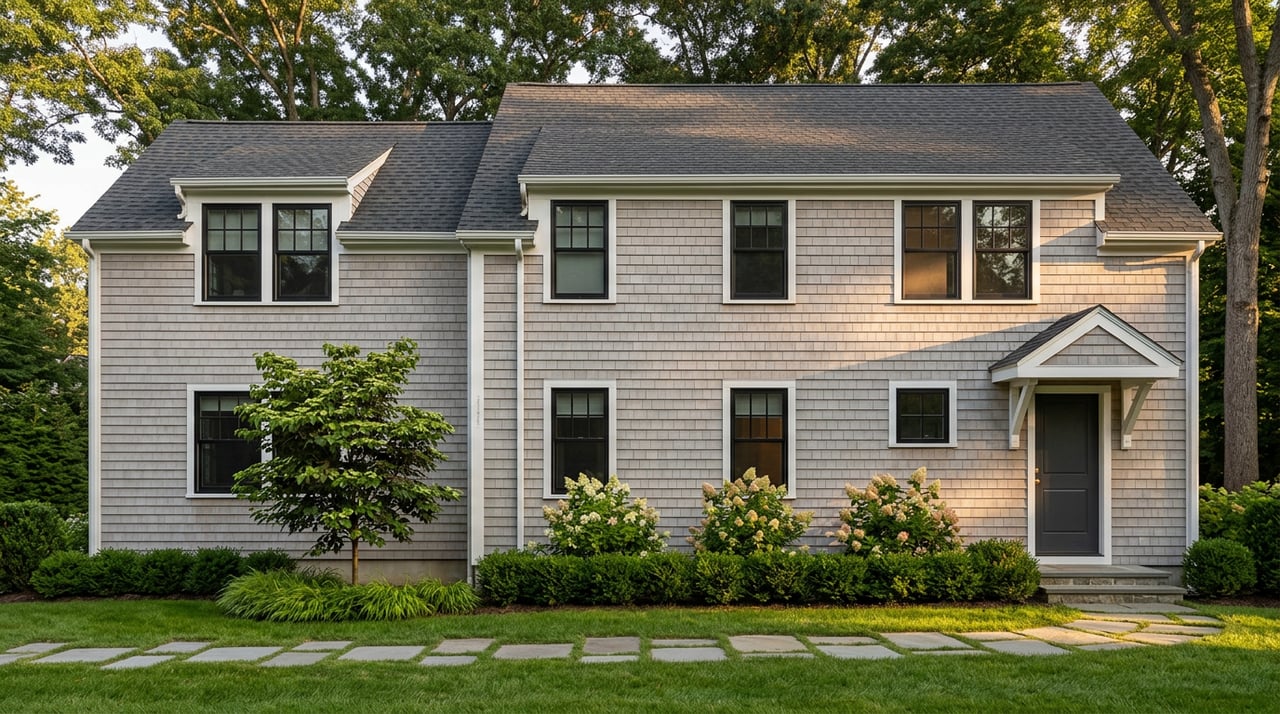
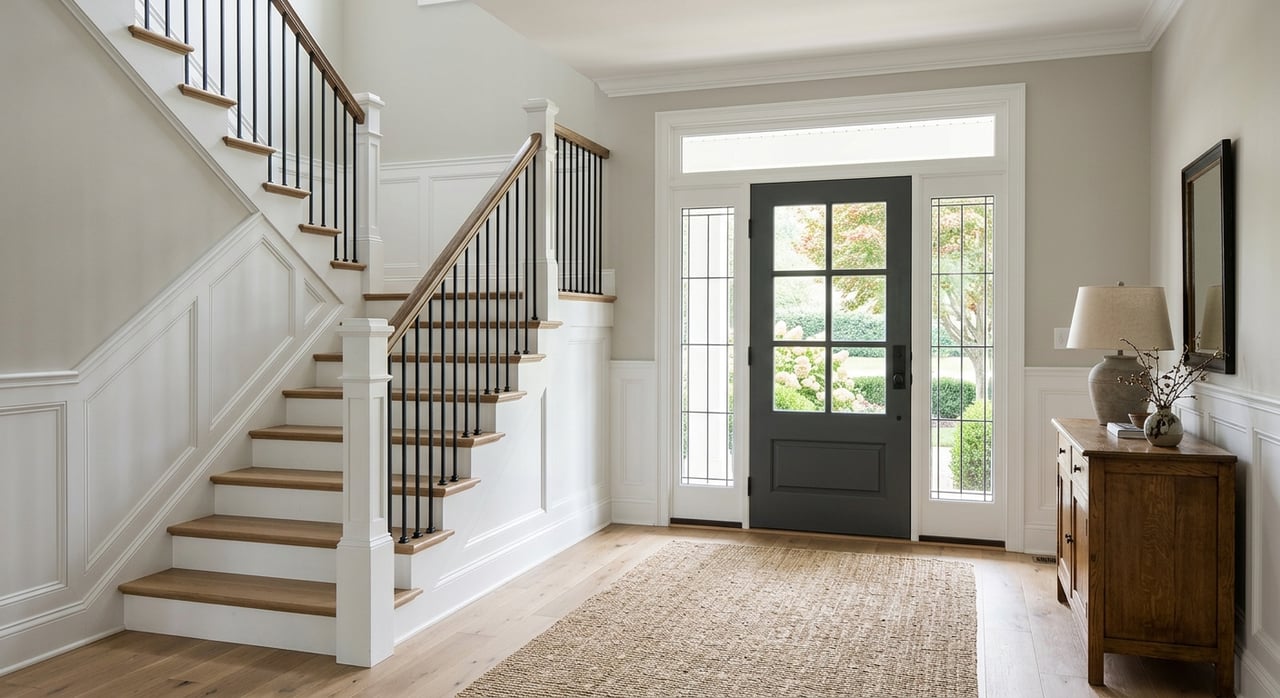
In luxury sales, presentation directly affects price and timing. Buyers in this segment often expect a home to feel polished, well cared for, and easy to understand from the first showing. That means addressing deferred maintenance, refining the look of key rooms, and making sure the property is photo-ready before it launches.
A strong pre-listing plan usually focuses on the areas buyers notice first:
The goal is not to over-improve blindly. It is to make thoughtful updates that support the price, reduce objections, and help buyers connect emotionally with the home.
Before you list, it is important to understand a few Massachusetts rules that can affect your timeline and paperwork. For most residential resales, Massachusetts does not impose a broad affirmative seller disclosure requirement on owners who are not in the business of selling homes. However, that does not mean you can misrepresent or conceal material facts.
One major disclosure rule involves lead paint. If your home was built before 1978, you and your agent must provide the Property Transfer Lead Paint Notification before a purchase and sale agreement is signed. That step is mandatory and should be handled early.
If the property uses a septic system, Title 5 requirements may also apply, and inspection is generally part of the process when buying or selling. Some Westwood homes are on public sewer, so this issue will depend on the property. Confirming that upfront helps prevent delays later.
Once the home is ready, your marketing should match the property and the likely buyer pool. Luxury marketing in Westwood is not just about reaching more people. It is about reaching the right people with a presentation that supports the value of the home.
Westwood’s official town profile highlights several qualities that often matter to higher-end buyers, including access to Boston, Routes 95/128 and 93, commuter rail service, MBTA bus service, and established suburban amenities. These are useful points in the marketing story because they speak to convenience and lifestyle without relying on hype.
For many luxury listings, curated exposure matters as much as broad exposure. Theresa David’s practice emphasizes professional photography, MLS exposure, international syndication through Sotheby’s channels, and tailored marketing for higher-end homes. That kind of presentation helps position the property clearly from day one.
Showings are where preparation and marketing meet the market. In the luxury segment, serious buyers often respond best to a calm, polished experience that respects privacy and allows them to focus on the home itself. Controlled scheduling and thoughtful presentation can help create that environment.
This is also the point where early market feedback starts to matter. If buyers consistently love the home but hesitate on price, or if they react to condition issues you thought were minor, that feedback should be taken seriously. In a balanced market, sellers usually benefit from making smart adjustments quickly rather than waiting too long.
Massachusetts expects all offers to be conveyed, and the process generally moves from listing and showings to offer and acceptance, then into the purchase and sale stage. For luxury sellers, the strongest offer is not always the highest number. Terms, timing, financing strength, contingencies, and overall certainty all matter.
When you compare offers, look closely at:
A well-structured offer with fewer friction points can sometimes be more valuable than a higher offer with multiple risks attached. This is where experienced negotiation and careful review are essential.
Home inspections remain a standard part of the process, and Massachusetts now protects those rights more directly in covered residential sales. For sales after October 15, 2025, sellers may not condition acceptance of an offer on a buyer’s waiver of inspection rights, and a separate written disclosure must be signed by buyer and seller before the first written contract to purchase.
For sellers, that means inspection strategy should focus on preparation rather than avoidance. In practice, this often leads to a more productive approach: handling obvious issues in advance, keeping repair records organized, and being prepared to discuss reasonable credits or repairs if needed. While every transaction is different, that approach generally creates less friction than trying to treat inspection as optional leverage.
After an offer is accepted, Massachusetts transactions typically move into an attorney-led purchase and sale process. State guidance describes the transaction lifecycle as listing, showing, offer and acceptance, purchase and sale agreement, home inspection, financing and appraisal, title search, and closing or settlement. That structure is important for sellers to understand because the accepted offer is only one step.
During this phase, details matter. Deadlines, contingency periods, title matters, and requested documents all need attention. For a luxury property, there may also be added complexity if the home is held in trust, part of an estate, or tied to a power of attorney.
Closing in Massachusetts is generally directed or managed by a closing attorney. Seller-side items commonly include deed preparation, municipal lien certificate, mortgage discharge, prorations, excise stamps, and any applicable Title 5 or lead-paint documents.
One closing cost that often surprises sellers is the Massachusetts deeds excise tax. The state rate is $2.28 per $500 of real estate consideration, which can be significant on a luxury sale. For sales of $1 million or more, the state also requires a filing or withholding return within 10 days of closing, and that is usually handled by the closing attorney or title company.
If the property is part of an estate, trust, or inherited sale, additional authorization or probate-related documents may be needed. Coordinating those items early can help keep the closing on schedule.
Many sellers want to know how long the process will take. Recent Westwood data showed a median 22 days on market, which gives useful context. Still, a luxury property may take longer depending on price, condition, buyer pool, and how much privacy or showing control you want to maintain.
The full timeline also includes more than days on market. You should plan for pre-listing preparation, active marketing, negotiations, attorney review, inspection, financing and appraisal, title work, and closing coordination. A step-by-step plan helps you manage each stage without unnecessary stress.
Westwood offers a specific mix of advantages that should be presented clearly and factually. The town is about 12 miles southwest of Boston and sits at the junction of Routes 95/128 and 93, with two commuter rail lines and MBTA bus service. For many buyers, that access is a meaningful part of the value proposition.
At the same time, Westwood is not a one-size-fits-all market. Buyer expectations can vary widely by price point, house style, condition, and location within town. That is why luxury sellers often benefit from a strategy that combines detailed local pricing work, discreet guidance, and elevated marketing rather than a generic list-and-wait approach.
If you are preparing to sell a luxury home in Westwood and want a clear, tailored plan, Theresa David offers the kind of disciplined pricing, curated marketing, and high-touch guidance that can help you move forward with confidence.
Contact Theresa today to learn more about her unique approach to real estate and how she can help you get the results you deserve.