New Construction Versus Classic Homes In Westwood
April 16, 2026
April 16, 2026
Choosing between a brand-new home and a classic property in Westwood is not just about age. It is really about how you want to live, how much work you want to take on, and what kind of setting fits your routine. In a town where much of the land is already built out or preserved, that choice can be especially nuanced. This guide will help you compare new construction and classic homes in Westwood so you can make a more confident decision. Let’s dive in.
Westwood is an established suburban town about 12 miles southwest of Boston, with 16,318 residents, 5,796 housing units, and an 87.2% owner-occupied rate. The town also offers strong regional access, with Routes 95/128 and 93 nearby, two commuter rail lines, and the mixed-use University Station area near Route 128 station and Amtrak service.
That convenience is part of Westwood’s appeal, but it also shapes the housing supply. According to the town’s comprehensive plan, about three-quarters of Westwood’s 6,400 acres are already committed through development or preservation. That means buyers are often choosing between older neighborhood housing and a limited number of newer or redeveloped opportunities, rather than browsing large tracts of brand-new subdivision homes.
In Westwood, new construction is usually limited and selective. Instead of large new subdivisions, it tends to show up as infill, tear-down and rebuild projects, or homes tied to planned development areas, as reflected in the town’s zoning and planning framework.
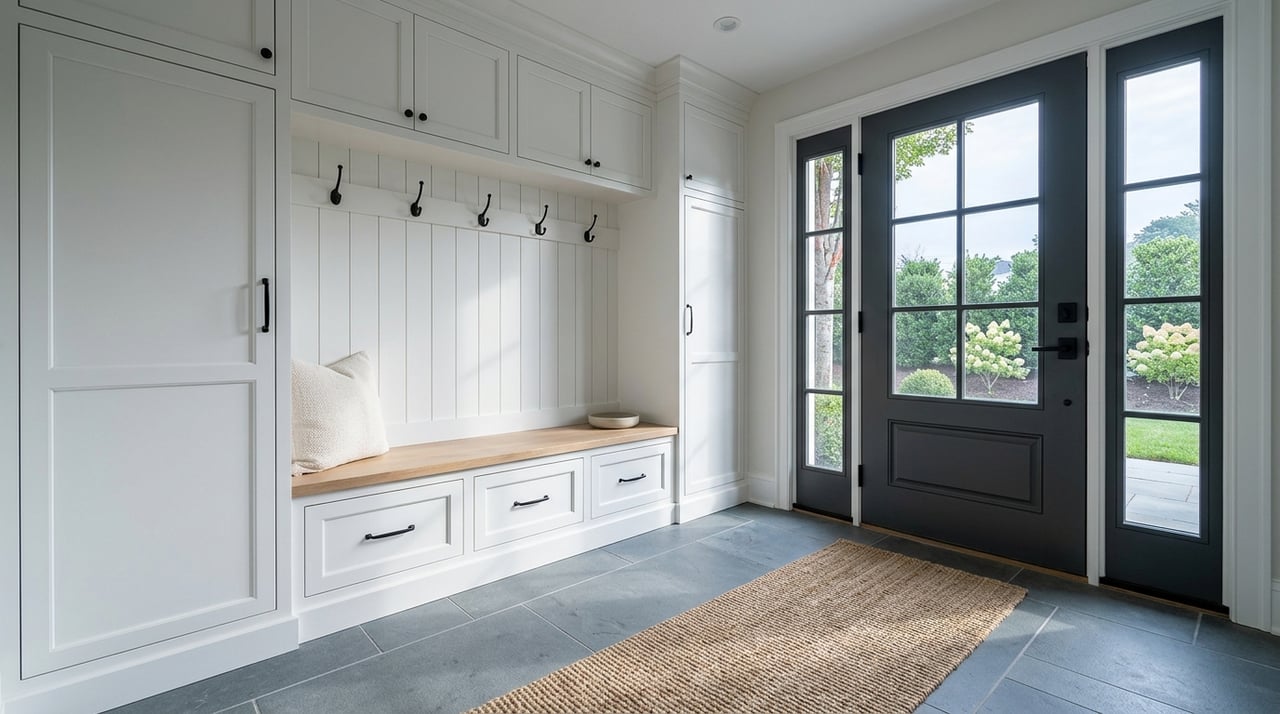
At the time of research, Redfin’s Westwood new-construction inventory showed just one active listing, 36 Kingswood Rd. That home is a 2025 build listed at $2.799 million with 5 bedrooms, 4.5 baths, and 4,500 square feet on 0.92 acres. Its marketing highlights features many buyers expect from newer homes: open-concept living, a chef’s kitchen, custom cabinetry, and a layout built around modern daily life.
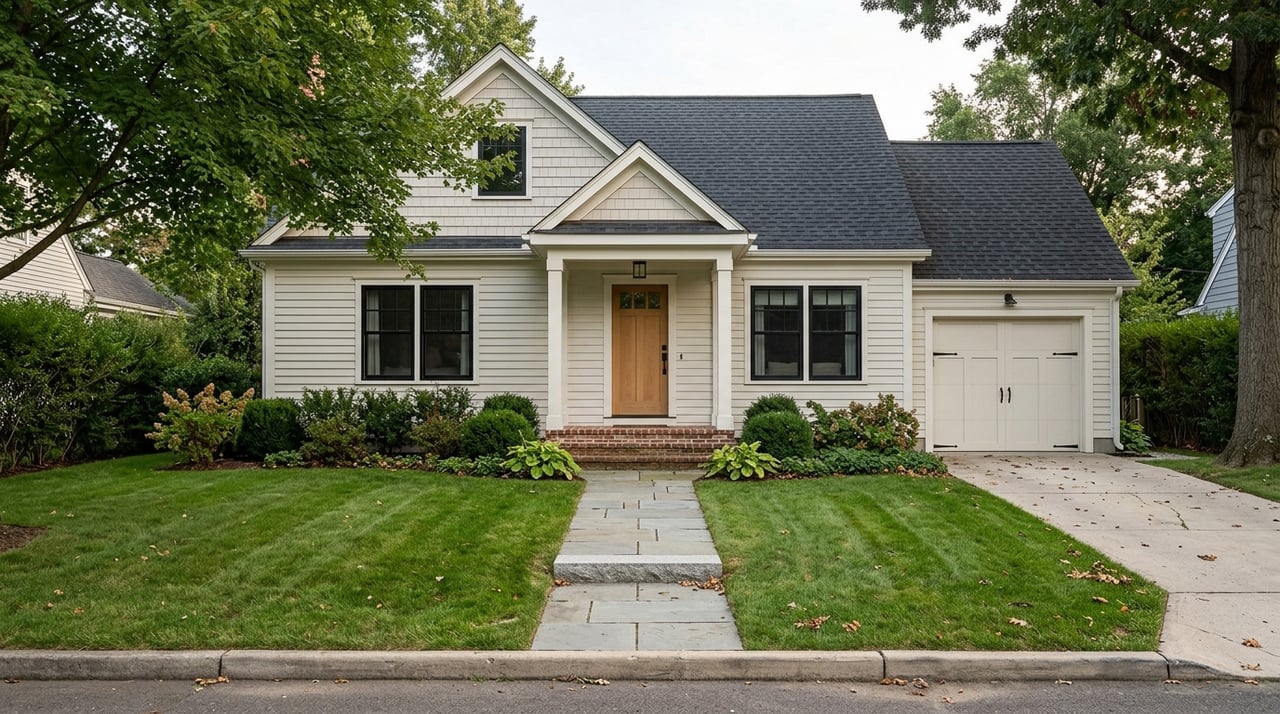
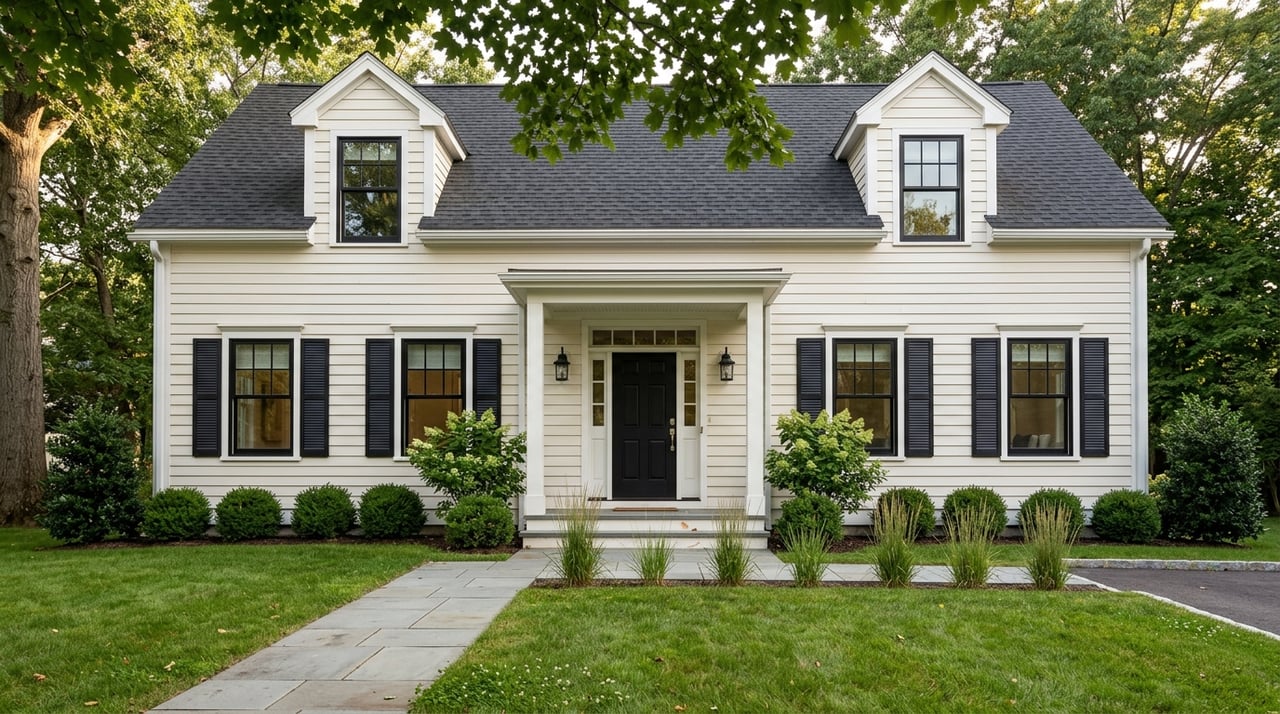
Other recent examples point to the same pattern. 17 Sunrise Rd offered open-concept living, a finished third level, and a fenced yard, while 225 Pond St was planned with a classic Colonial exterior and a more modern interior flow. In Westwood, many new homes look traditional from the street but feel current inside.
If you are considering newer construction in Westwood, you will often see features like:
For many buyers, the main appeal is convenience. A newer home can offer a more predictable ownership experience, especially if you want to avoid immediate updates.
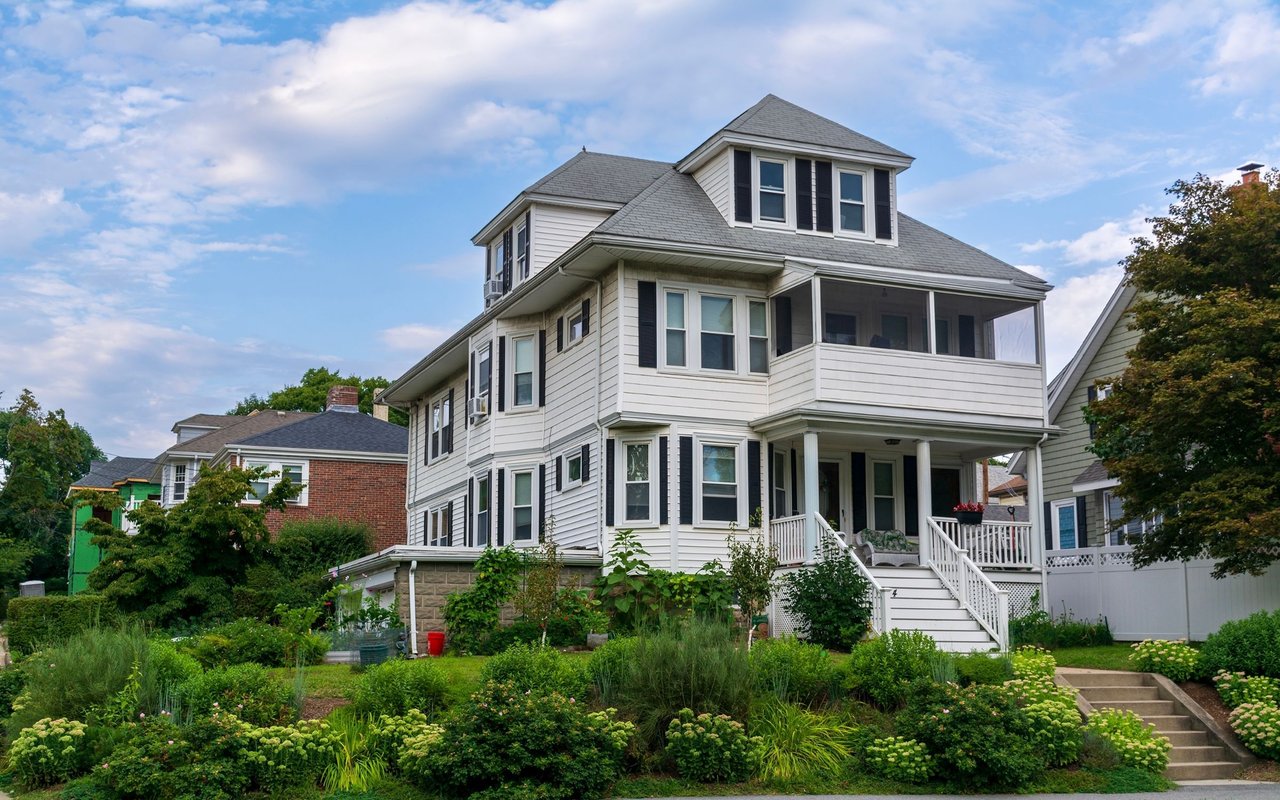
Westwood’s classic homes cover a wide range of styles, including antique colonials, center-entrance colonials, capes, and older homes that have been renovated over time. These properties often reflect the town’s long development history, including growth in Islington and along High Street in the 1930s and post-World War II years, according to the comprehensive plan.
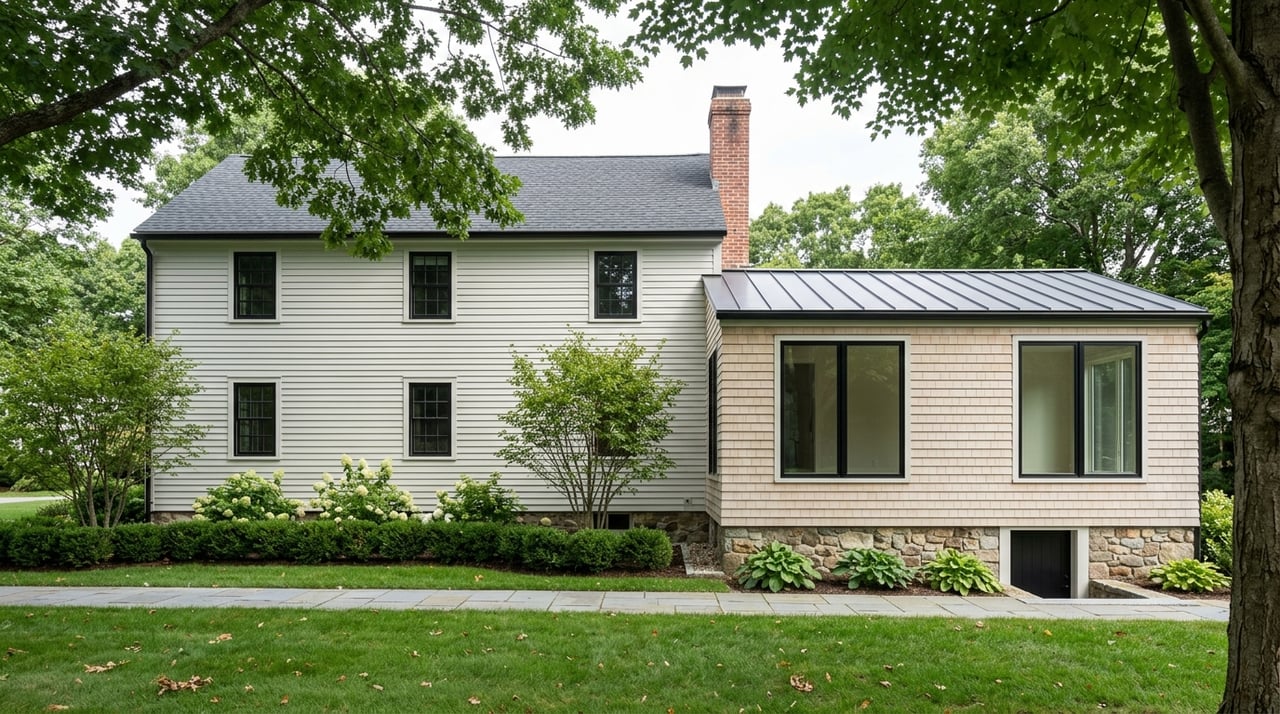
A classic home in Westwood does not automatically mean outdated. For example, 438 Clapboardtree St, a c.1720 antique colonial, was renovated and expanded down to the studs while preserving character details such as wide pine floors. Another example, 157 Hartford St, was marketed as a center-entrance colonial on 1.7 acres with an open first floor and room to grow.
That is one of the biggest misconceptions buyers have. A classic home can still offer a functional layout, generous square footage, and updated finishes. In many cases, it may also come with a larger lot, mature landscaping, and architectural details that are hard to replicate.
Depending on the property, a classic home in Westwood may offer:
Classic homes can bring more personality and presence, but they may also require closer review of condition, systems, and renovation quality.
The best choice usually comes down to lifestyle, budget, and tolerance for ongoing projects. In Westwood, those differences are often more important than simple age.
New construction commonly favors open-concept living, larger kitchens, and amenity-rich private spaces. The current 36 Kingswood Rd listing is a good example of that approach.
Classic homes may include more formal rooms or floor plans shaped by additions made over time. That can work well if you prefer separation between spaces, need flexibility, or simply enjoy a home with more architectural variation.
Lot size can vary widely in Westwood due to local zoning, which includes residential districts with minimum lot areas ranging from 12,000 square feet to 80,000 square feet. The examples in the research show newer homes on about 0.3 to 0.92 acres, while classic homes were listed on 1.54 to 1.7 acres.
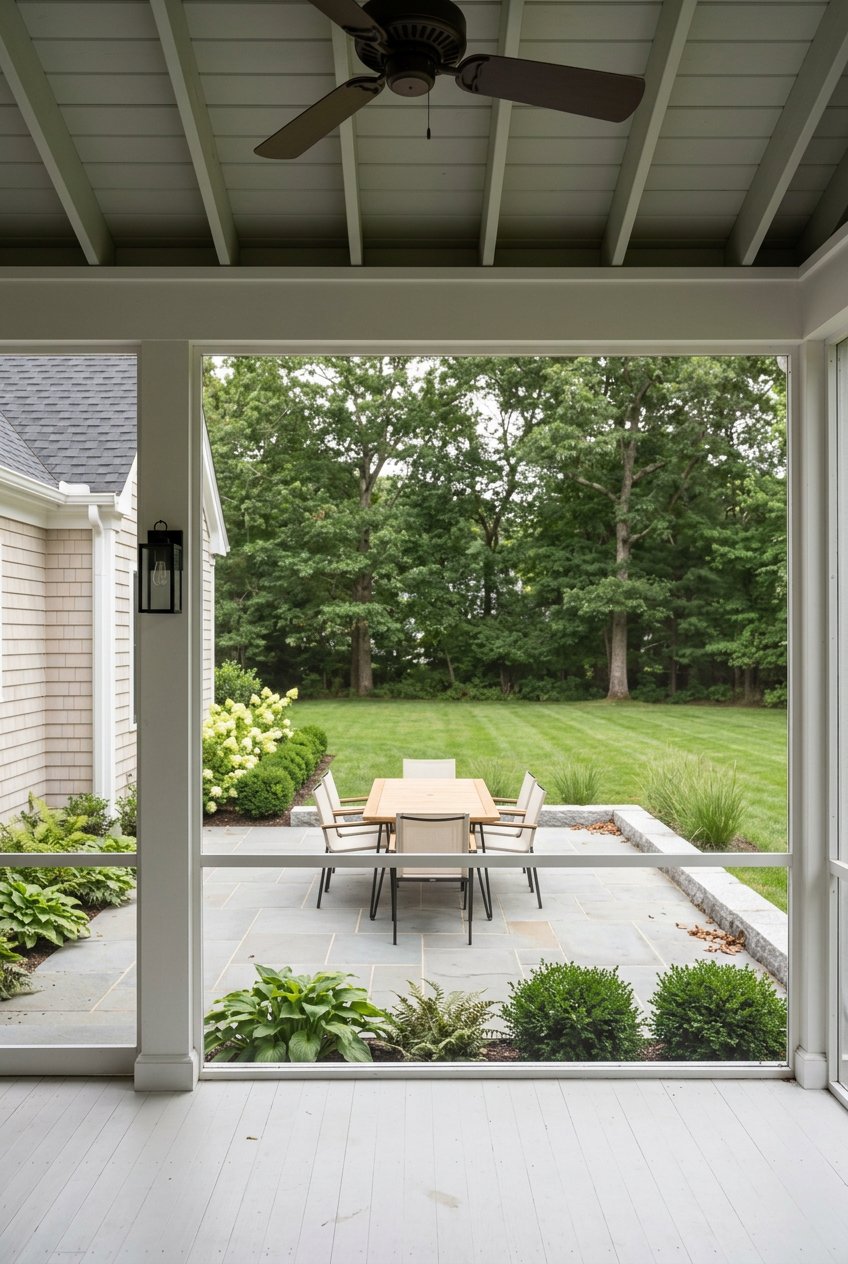
That does not mean every older home has a larger lot, but it does mean you should compare outdoor space carefully. Ask yourself whether you want low-maintenance outdoor living, room for entertaining, added privacy, or simply more open land around you.
This is often the most practical difference. Newer homes generally come with newer roofs, windows, mechanical systems, and finishes, which may reduce the chance of near-term repairs.
Older homes can be wonderfully updated, but listing photos do not always tell the full story. The age of a renovation, the quality of work, and the condition of major systems matter just as much as the appearance of a kitchen or bath.
Westwood includes several distinct areas, from High Street/Town Center and Islington to the transit-adjacent University Station district. Some buyers prioritize commuter access and proximity to mixed-use amenities, while others want a quieter street pattern or a more estate-like setting.
This is where context matters. A home may look ideal online, but its location within Westwood can shape your everyday experience just as much as the house itself.
Westwood’s median owner-occupied home value is about $1,041,500, but actual pricing spans a wide range. The research notes an active market that included a $565,000 condo, multiple single-family homes in the high six and seven figures, and a new-construction listing at $2.799 million.
So the real question is not simply whether new homes cost more than older ones. It is whether the premium for newer construction matches your priorities around layout, finishes, lot size, and future work.
Because Westwood is largely built out, new construction is most likely to appear in a few specific forms:
This supply pattern is directly tied to Westwood’s land-use and zoning structure. If you are waiting for a broad wave of new subdivision inventory, that is generally not how this market works.
If you are torn between new construction and a classic home, start by narrowing the decision to the factors that affect your day-to-day life most.
Ask yourself:
The right answer is different for every buyer. In Westwood, that choice usually becomes clearer when you compare not just the homes, but also the land, zoning context, renovation history, and the feel of the surrounding area.
In a market like Westwood, the biggest differences are not always obvious in a listing gallery. A home may be described as renovated, but the quality and scope of that work can vary. A lot may look generous on paper, but the setting and usability may feel very different in person.
There can also be added considerations with older properties. Westwood’s Historic Preservation Division notes that the Historical Commission has review authority over proposed demolitions of structures built before 1911, which is relevant if you are considering a very old home with long-term renovation plans. Pair that with local zoning rules, limited new-build supply, and varied neighborhood patterns, and it becomes clear why careful, experienced guidance matters.
If you are weighing new construction against a classic home in Westwood, working with an advisor who understands the town’s inventory patterns, pricing nuance, and property-by-property tradeoffs can save you time and help you avoid expensive assumptions. When you are ready for a tailored conversation, connect with Theresa David for a thoughtful, data-driven consultation.
Contact Theresa today to learn more about her unique approach to real estate and how she can help you get the results you deserve.