Estate And Legacy Home Sales In Westwood
July 16, 2026
July 16, 2026
Losing a family member or deciding it is time to sell a long-held home can bring a lot of moving parts all at once. In Westwood, where many homes have been owned for years and property values are high, estate and legacy sales often involve both emotional decisions and important paperwork. If you are sorting through what happens next, this guide will walk you through the process with a practical Westwood focus. Let’s dive in.
Westwood has a housing profile that makes estate and legacy home sales especially relevant. Census QuickFacts estimates a 2025 population of 16,426, an owner-occupied housing rate of 87.3%, a median owner-occupied home value of $1,041,500, and 19.7% of residents age 65 and older. That combination points to a town with many long-held homes and many households thinking about downsizing, inherited property, or transition planning.
The market also remains strong. Redfin reported a May 2026 median sale price of $1,147,313 with a median of 20 days on market, while Realtor.com reported a June 2026 median listing price of $1,479,000, 32 median days on market, and a 104% sale-to-list ratio. The exact numbers vary by source and timeframe, but both snapshots suggest that Westwood continues to be a high-value, active market.
For families handling an estate or legacy sale, that matters. A well-prepared home can attract serious buyer attention, but the process still needs to be handled carefully from title and valuation through preparation, pricing, and closing.
Before you think about photos, pricing, or showings, you need to confirm who has the legal authority to sell the property. In Massachusetts, not every home passes through probate. Some property transfers outside probate through survivorship or trust ownership.
If the home was titled only in the deceased owner’s name and does not transfer automatically, probate is often required to change title. In that case, the court generally appoints a personal representative to collect, manage, and transfer estate property.
Massachusetts offers more than one probate path, and the right one depends on the estate. Informal probate is an administrative process and can be faster when the requirements are met. Voluntary administration is a simplified option for minimal estates, but it usually does not apply when real estate is involved.
That is why inherited homes often need a more formal review of title and authority. Even when a home passes through a trust or survivorship, the closing team still needs to confirm the ownership path in the public record.
A personal representative may be able to sell the property if the will gives that authority. In other cases, separate court authority or a license to sell may be needed. Massachusetts law allows a personal representative to sell real estate when authorized by the will or when the court has issued the proper license.
The court paperwork can be detailed. Depending on the situation, it may include the legal description of the property, an inventory, a military affidavit, and tax-clearance documents. This is one reason estate home sales often benefit from a careful, step-by-step plan rather than a rushed listing launch.
One of the most helpful things you can do is map out the sequence at the start. Estate and legacy sales usually move more smoothly when you handle decisions in the right order instead of trying to do everything at once.
A practical roadmap often looks like this:
In a market like Westwood, where buyers move quickly on strong listings, preparation still matters just as much as timing. You want to be ready to go to market when the paperwork and house are both in the right place.
Valuation is one of the most important parts of any estate or inherited property sale. In Massachusetts, the personal representative must prepare an inventory within three months of appointment and list each asset at fair market value as of the date of death. That makes a reliable value opinion more than just a pricing exercise.
For many families, a date-of-death appraisal or broker price opinion can help with both probate records and future tax documentation. It creates a clear record of the property’s fair market value at a specific point in time.
The IRS generally uses the home’s fair market value on the decedent’s date of death as the starting basis for an inherited home. That means the value assigned at that time can play a role later when sale proceeds are compared against basis.
For a long-held Westwood home, this step can be especially important. Values may have changed significantly over the years, so a disciplined valuation process helps create a cleaner record for the estate and its advisors.
Families should also gather records for major capital improvements whenever possible. IRS guidance says projects such as additions, roof replacement, paving, and rewiring can increase basis, while ordinary repairs generally do not.
If the home has been in the family for decades, this paperwork may be scattered across old files, email accounts, or storage boxes. It is worth the effort to collect what you can before closing, especially when the property has had substantial upgrades over time.
For some estates, timing is affected by Massachusetts estate tax requirements. Mass.gov states that a Massachusetts estate tax return is generally required when the federal taxable estate exceeds $2 million for deaths on or after January 1, 2023. The return is generally due nine months after death.
Mass.gov also notes that filing through MassTaxConnect can speed processing and the generation of the estate-tax closing letter and lien release. That can matter when the sale of real estate is part of the estate administration process.
The court’s checklist for a petition to sell real estate also reflects this need for coordination. It asks for an affidavit or release showing that estate-tax filing requirements have been addressed. In practical terms, that means your listing timeline may need to work around tax filings, court requirements, and title clearance, not just market readiness.
Many estate and legacy properties are not move-in ready in the modern marketing sense, and that is normal. Some are filled with decades of furniture, papers, collections, and keepsakes. Others are well maintained but dated in presentation.
The goal is not always a full renovation. More often, the best results come from making the home feel clear, cared for, and easy for buyers to understand.
NAR’s 2025 staging research found that 83% of buyers’ agents said staging makes it easier for buyers to visualize a home as a future residence. It also found that 29% of sellers’ agents said staging increased dollar value offered by 1% to 10%, and about half said staging reduced time on market.
That does not mean every Westwood estate home needs a full designer staging plan. It does mean that presentation can influence both buyer response and speed of sale.
For many legacy homes, these steps make the biggest difference:
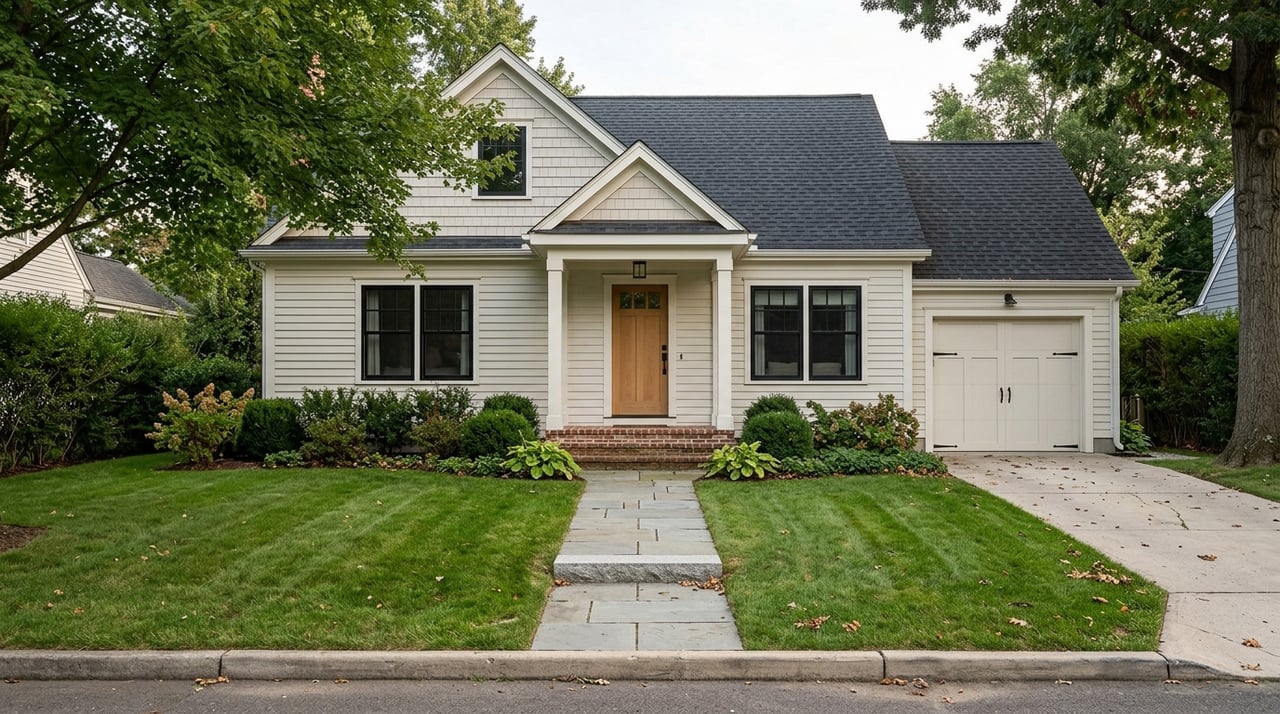
This kind of preparation helps the house show its scale, layout, and condition more clearly. In a premium market, that clarity supports stronger pricing and a more confident launch.
Legacy homes often carry emotional value that does not always match market value. That is understandable, especially when the property has been in the family for many years. Still, pricing needs to reflect current Westwood market conditions, the home’s condition, and the likely buyer pool.
A thoughtful pricing strategy should account for what buyers are paying now, how quickly well-positioned homes are moving, and how much preparation has been completed before launch. In a market where homes can attract strong interest, overpricing can still slow momentum.
For higher-value Westwood properties, disciplined pricing is especially important because buyers in this segment tend to compare presentation, condition, and location very carefully. A clear strategy can help you protect value while avoiding unnecessary time on market.
Once title, valuation, tax coordination, and property prep are in order, the listing can go live with more confidence. Estate and legacy homes often benefit from a polished, respectful presentation that balances broad exposure with discretion.
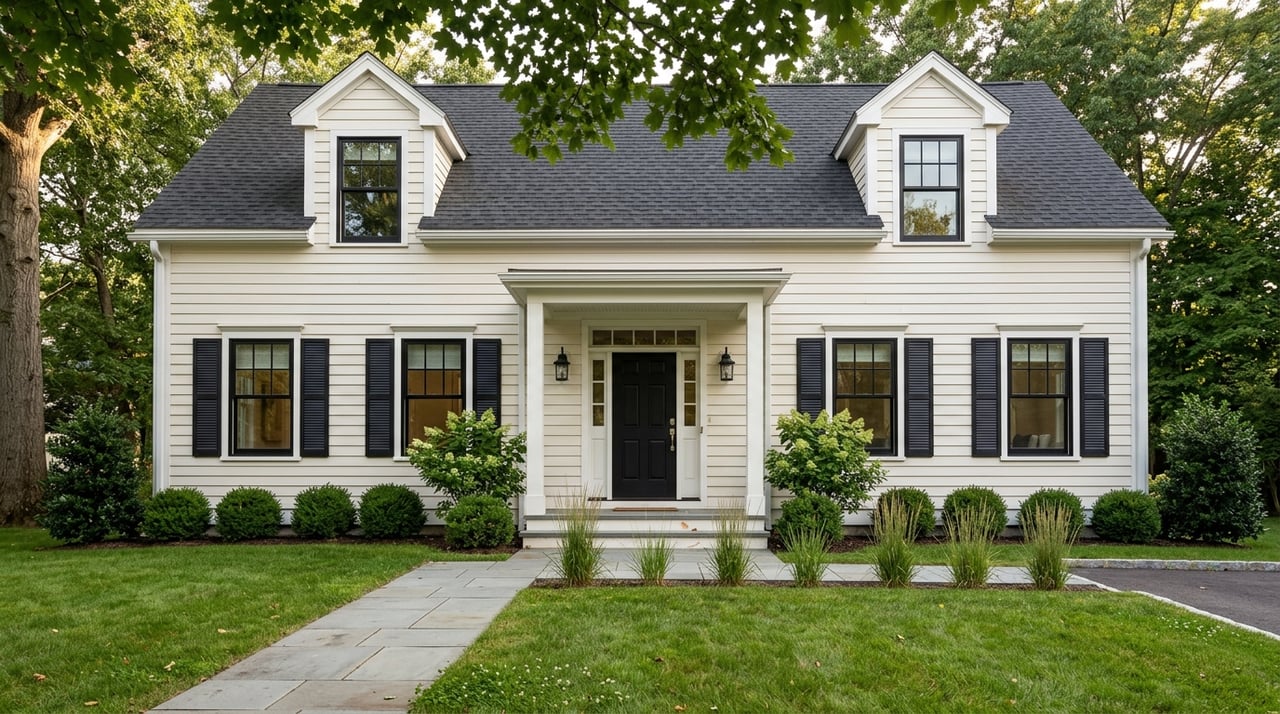
That usually means professional photography, clear property storytelling, and a marketing plan designed to attract qualified buyers. For distinctive Westwood homes, thoughtful positioning can help buyers understand both the property’s current value and its long-term appeal.
This is also where strong process management matters. Offers, inspection issues, closing timelines, and title questions can all become more sensitive when multiple family members, advisors, or estate representatives are involved.
Estate and legacy sales are rarely just about real estate. They often involve grief, family schedules, paperwork deadlines, and a house full of memories. A calm, organized process can make a meaningful difference.
If you are preparing to sell an inherited or long-held home in Westwood, the smartest next step is usually to get clarity early. Confirm authority, establish value, organize records, and build a plan before the property hits the market.
With the right guidance, you can protect the home’s value while reducing stress for everyone involved. If you are considering an estate or legacy home sale in Westwood, Theresa David offers discreet, experienced guidance tailored to high-value homes and complex family transitions.
Contact Theresa today to learn more about her unique approach to real estate and how she can help you get the results you deserve.