Your Practical Westwood MA Neighborhood Guide to Daily Life
February 5, 2026
February 5, 2026
Thinking about trading city buzz for more space without losing touch with Boston? Westwood gives you that balance. You get a quieter, suburban pace, established neighborhoods, and access to strong public services while staying connected to major job centers. In this guide, you’ll learn what daily life looks like, what homes are common, how commuting works, and the practical costs so you can decide if Westwood fits your goals. Let’s dive in.
Westwood is a suburban town on Boston’s southwest edge in Norfolk County. It has about 16,000 residents and a primarily residential feel, with small commercial centers that serve daily needs. You will find a town center area, a village node in Islington, and established neighborhoods spread across tree‑lined streets.
The atmosphere is calm and family‑oriented. Many residents work in professional roles and commute to Boston or nearby business hubs. The town serves households that want suburban amenities, yard space, and public schools that typically perform above state averages.
You will notice Westwood does not have one large downtown like a city. Instead, daily routines often include errands at local shops, short drives to larger retail in neighboring towns, and time spent at parks, fields, and conservation areas.
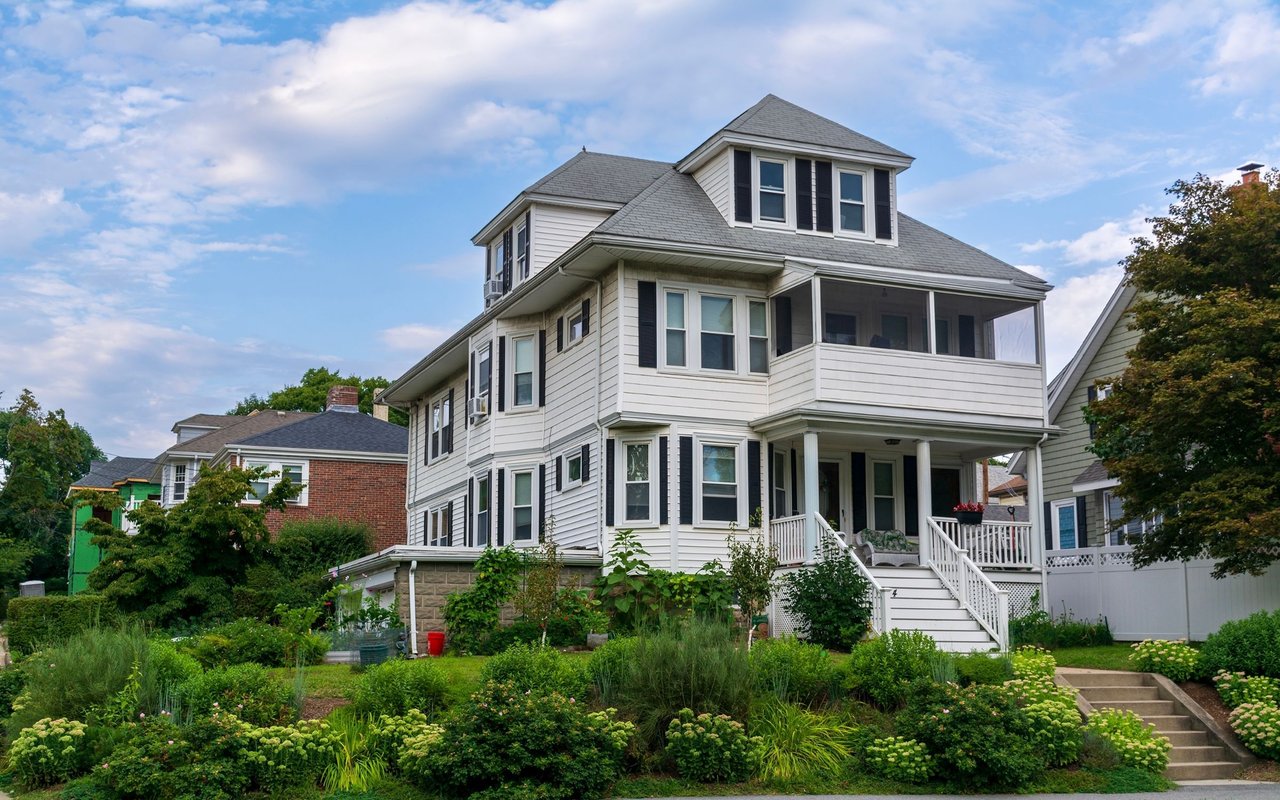
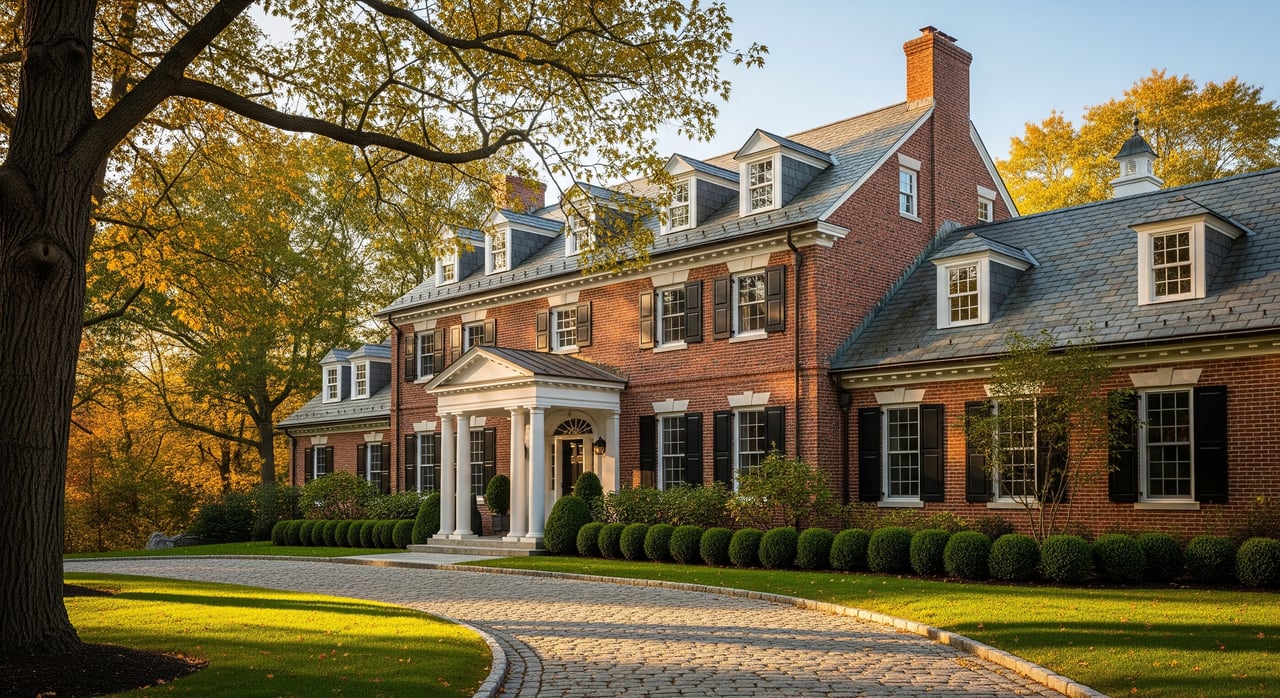
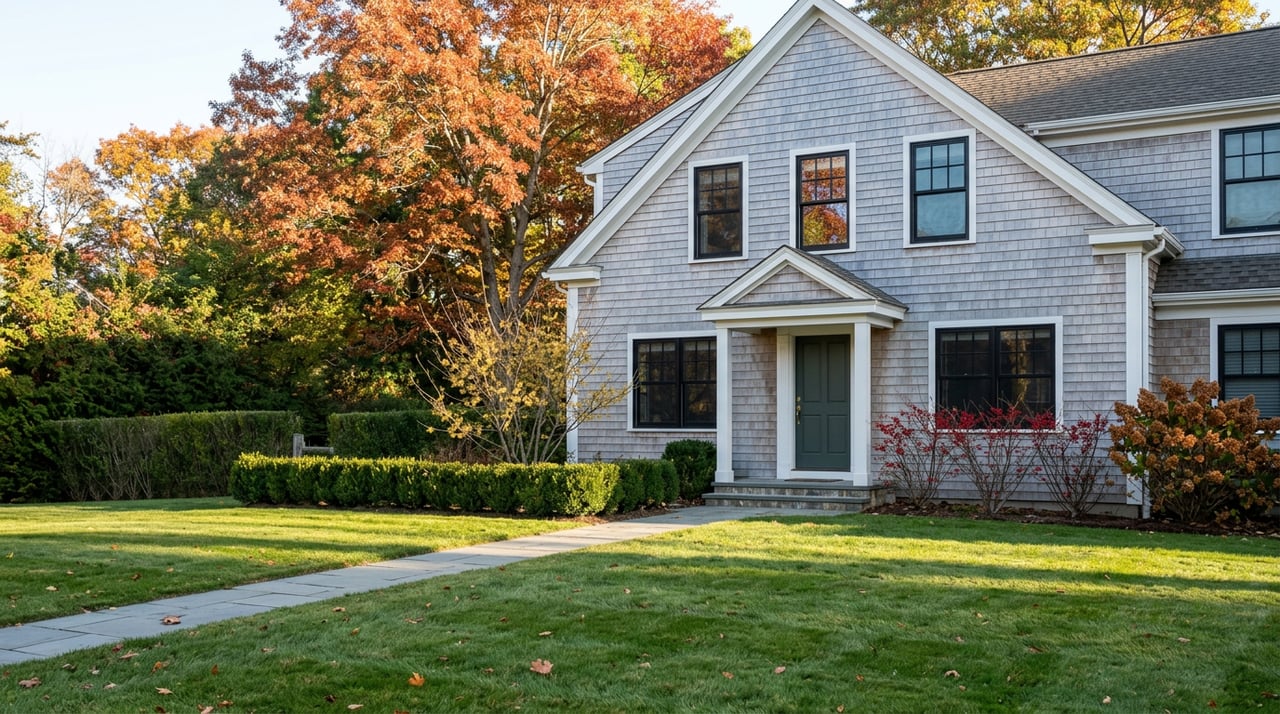
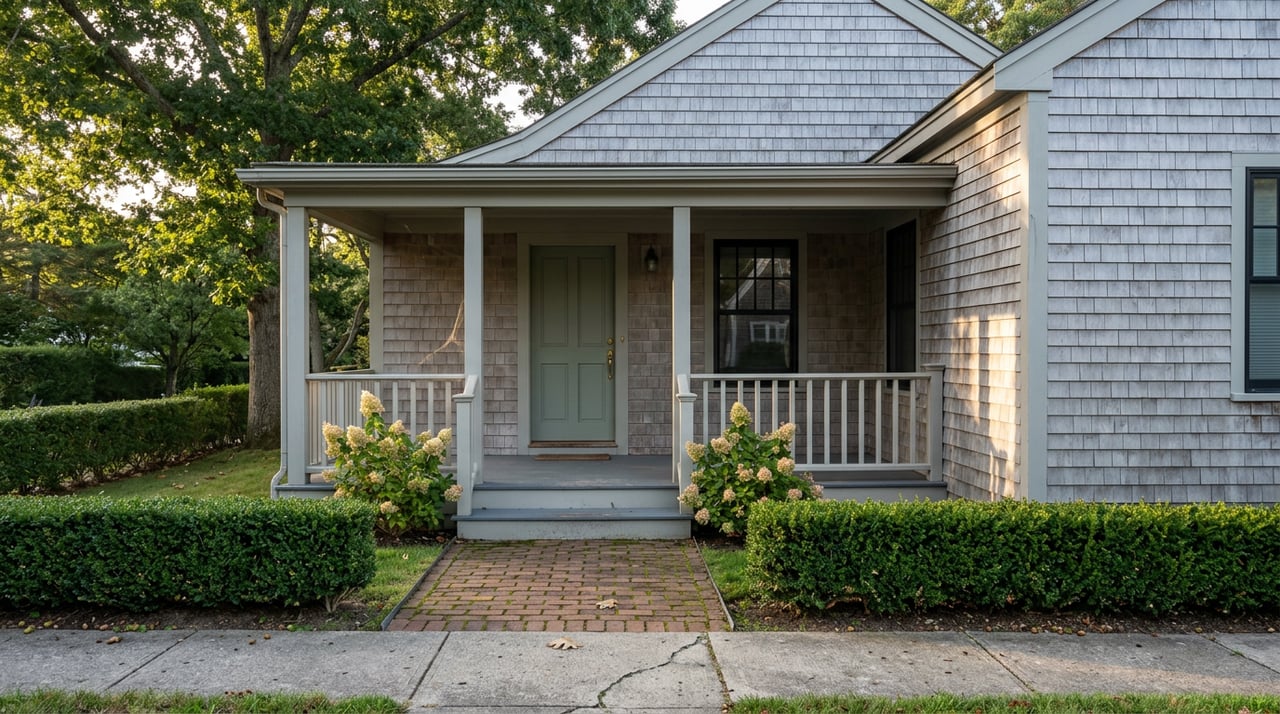
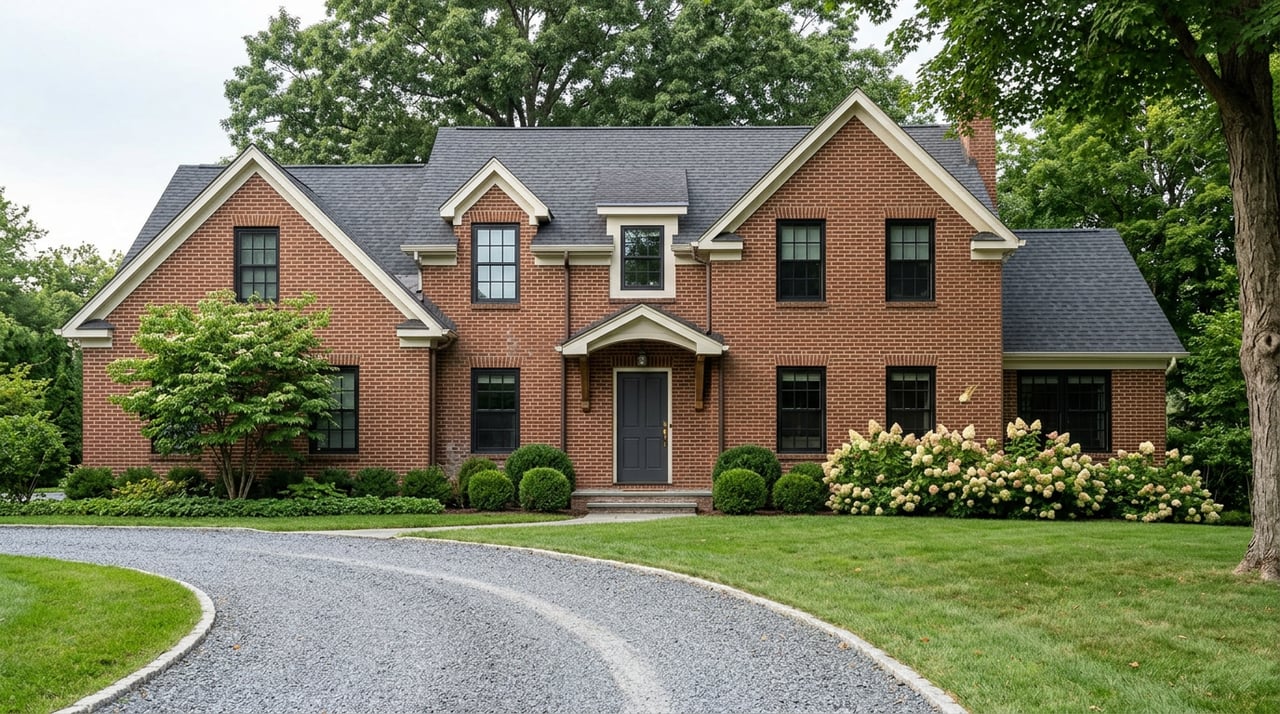
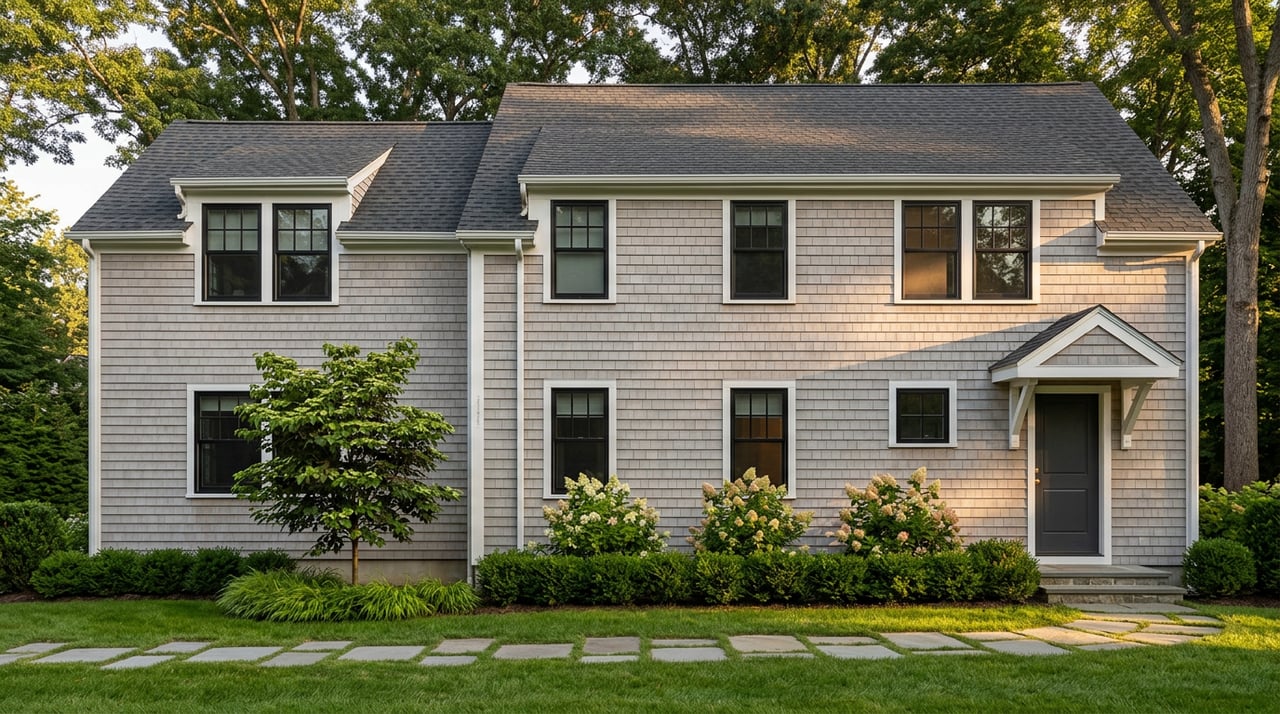
Westwood’s housing stock is dominated by single‑family homes. You will see colonial, cape, and ranch styles, along with mid‑century properties from the 1950s to 1970s. In many areas, older homes have been expanded or renovated. There is also active tear‑down and rebuild activity that produces larger, newer houses on existing lots.
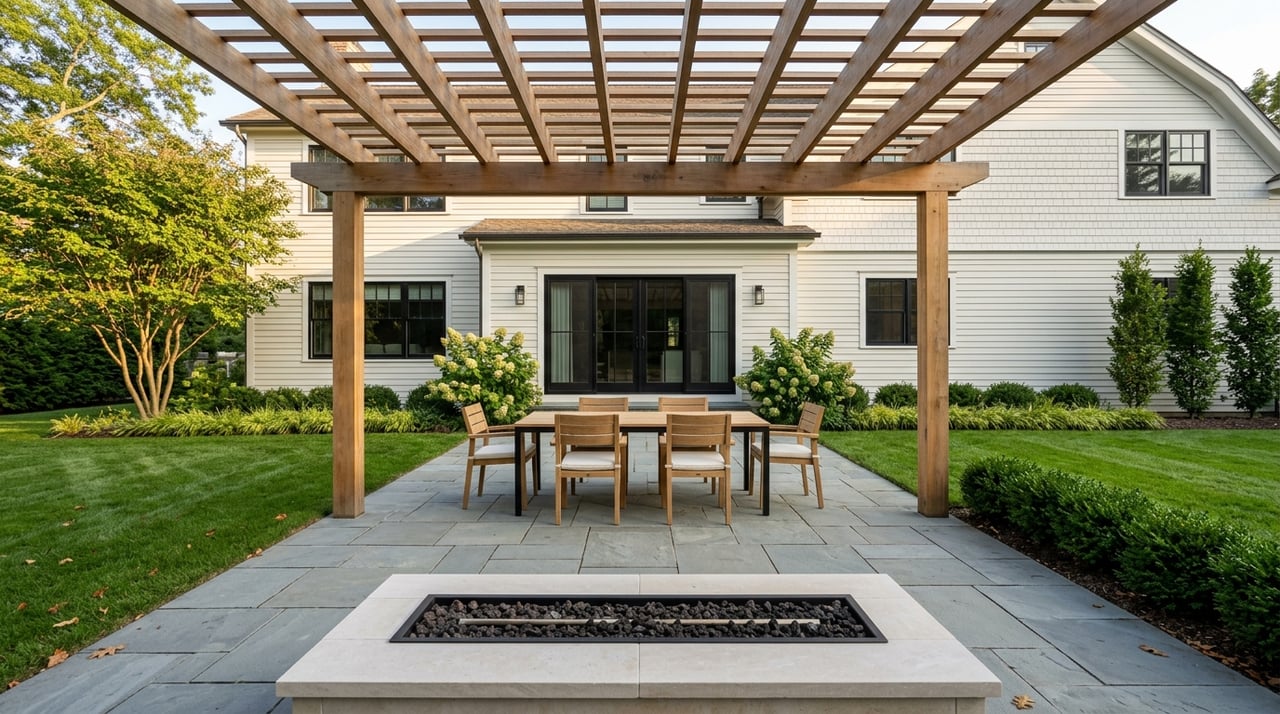
Lot sizes are suburban, which means you typically gain more private outdoor space than in Boston’s inner neighborhoods. Yards support play areas, gardens, and patios, which is a common draw for move‑up buyers with growing households.
If you are targeting older homes, expect to evaluate roofs, windows, HVAC, and insulation along with kitchen and bath updates. Some properties may require mechanical or layout improvements to meet today’s needs. Newer builds offer modern amenities but can sit on smaller lots or be farther from small commercial centers.
Westwood sits above the regional median price due to its location and desirability. Inventory is often tight, especially for well‑maintained or recently renovated homes. Since 2020, demand for suburban single‑family homes has been strong, with periods of cooling as mortgage rates rose. The net result is a market where attractive listings can move quickly, while others take longer as conditions normalize.
Westwood Public Schools serve grades K through 12 and are widely known for strong academics and extracurricular opportunities. District performance typically ranks above state averages on many indicators. Families often highlight high school programming, athletics, and college preparation as key benefits.
Private and parochial options are available in surrounding communities across the MetroWest and greater Boston area. It is common for families to consider both public and private pathways, depending on student needs and commute logistics.
For early childhood, you will find local preschools, daycare centers, and family programs. Like many desirable suburbs, some providers may have waitlists, so it helps to plan ahead. Town recreation and seasonal sports are a big part of family life, and summer programming fills quickly.
Many residents commute by car, with quick access to Route 128 and I‑95 and connections to I‑93. Depending on time of day and destination, the drive into Boston often ranges from roughly 20 to 40 minutes. Peak traffic can extend those times, so scheduling and flexible work options can make a real difference.
Public transit options include MBTA Commuter Rail service in the area. Park‑and‑ride is a common routine, and some residents drive to transit hubs in nearby towns. Bus service exists but is more limited than in inner‑ring suburbs. Walkability varies by neighborhood, with the most convenient walking near small commercial nodes. Recreational trails and conservation areas support biking and walking for leisure.
Westwood offers daily conveniences without the intensity of a large city center. You will find grocery stores, small retailers, cafes, and professional services around the town center and Islington area. For a broader restaurant scene, entertainment, and destination shopping, most residents make short drives to neighboring communities or head into Boston.
Parks and recreation are central to the lifestyle. The town maintains fields, playgrounds, and conservation land, which support walking, running, youth sports, and seasonal programming. You will also find access to regional recreation facilities and private clubs in neighboring towns.
Healthcare and professional services are readily accessible. Local medical and dental providers cover routine needs, while larger hospitals and specialty care centers across Greater Boston are a short drive away.
Westwood’s cost of living is higher than national averages, with housing as the largest driver. Property taxes in Massachusetts are set locally based on assessed values and the town’s tax rate. Because home values in Westwood are generally higher, tax bills reflect that. Many residents view the quality of municipal services and schools as key offsets.
Budget for utilities and insurance that scale with larger properties. If you are considering an older home, add a line item for inspections, potential system upgrades, and ongoing maintenance.
Inventory in Westwood is limited relative to demand for well‑located, updated single‑family homes. New construction exists but is constrained by available lots and local zoning. The market has cycled between heavy competition on standout listings and slower periods as mortgage rates and broader economic conditions shift.
If you are planning a family move, align your timeline with the school calendar where possible. Many buyers plan 3 to 6 months ahead to manage financing, inspections, and any renovations before move‑in. Move‑up buyers also consider strategies like bridge financing, rate locks, and the timing of selling an existing home.
Here is a simple planning checklist:
Westwood may be a strong match if you want suburban space, a calm daily rhythm, and a practical commute to Boston and the MetroWest job centers. You will find community programming, parks, and a selection of local dining, with broader options a short drive away. The tradeoffs include a higher price point and a quieter retail scene than larger suburbs.
If you value yard space, a predominately single‑family streetscape, and access to public schools that typically perform above state averages, Westwood should be on your shortlist. Budgeting for potential renovations on older homes and planning ahead for limited inventory will help you compete with confidence.
Ready to explore Westwood with a trusted local advisor? Connect with Theresa David for discreet guidance, pricing strategy, and a clear plan tailored to your goals.
Contact Theresa today to learn more about her unique approach to real estate and how she can help you get the results you deserve.